Blog
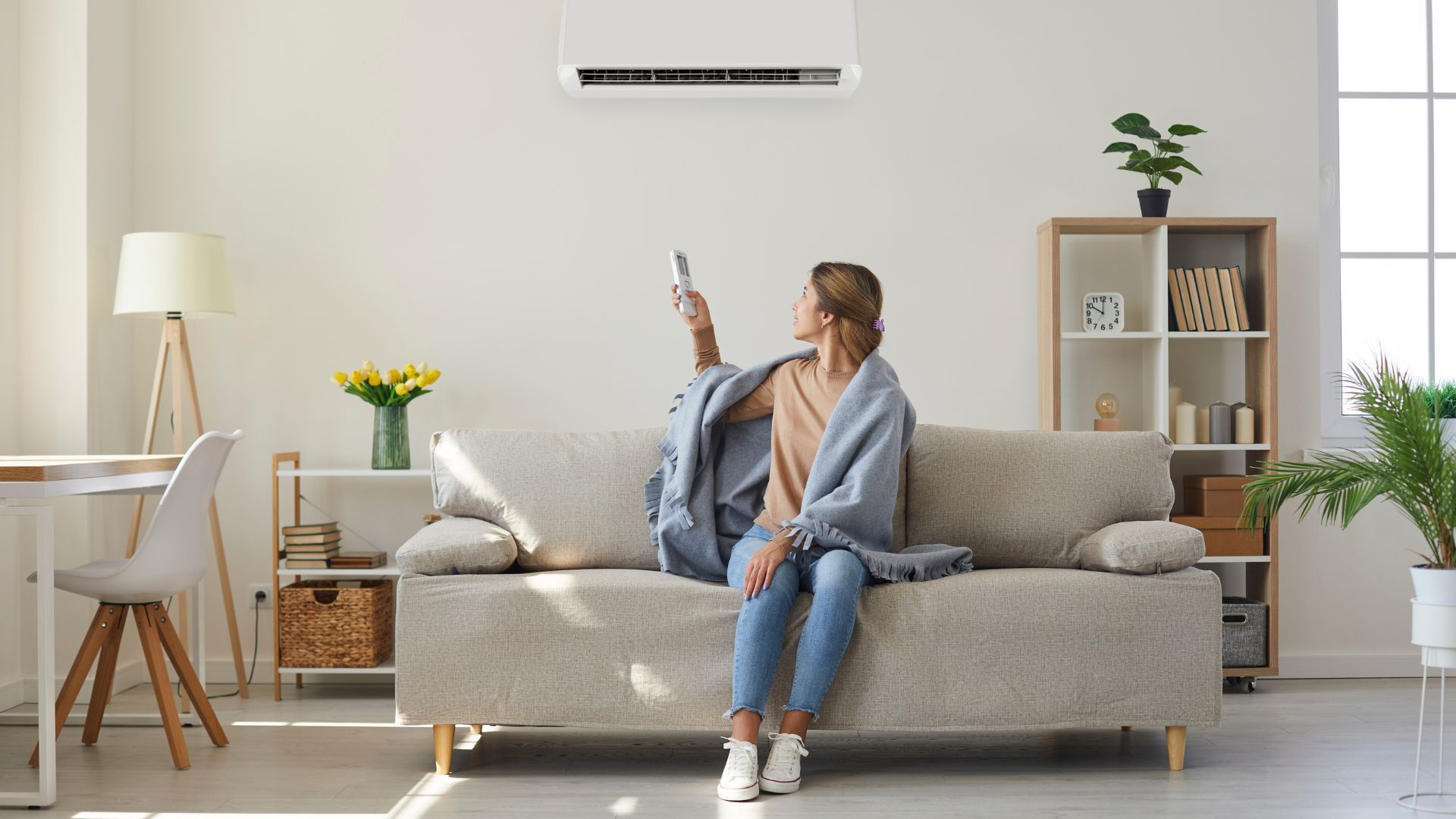
Replacing an HVAC system is a significant investment for homeowners in Rhode Island. Understanding both the costs and the benefits before making a decision ensures that you make an informed choice that balances comfort, efficiency, and long-term value. Rhode Island’s seasonal climate, with cold winters and humid summers, puts added demands on heating and cooling systems, making timely replacement an important consideration. Many homeowners struggle to decide whether to repair an existing system or invest in a full replacement. Costs, energy efficiency, system reliability, and improved home comfort are all factors that should be evaluated. This guide explores what Rhode Island homeowners need to know about HVAC replacement, including typical costs, long-term benefits, and how to plan for a smooth installation. Understanding the Cost of HVAC Replacement in Rhode Island The cost of HVAC replacement can vary widely depending on system size, home layout, type of equipment, and installation complexity. In Rhode Island, factors such as older home construction, ductwork condition, and regional labor rates can also influence pricing. On average, homeowners can expect to pay between $5,000 and $12,000 for a complete system replacement, though high-efficiency or multi-zone systems can cost more. Additional factors that impact cost include: Size and square footage of the home Type of heating and cooling system (central air, heat pump, furnace, etc.) Required ductwork modifications or upgrades Smart thermostat and zoning system integration Labor and regional market rates While the upfront investment may seem high, replacing an outdated HVAC system often leads to significant long-term savings through improved efficiency and reduced maintenance costs. Benefits of HVAC Replacement for Rhode Island Homeowners
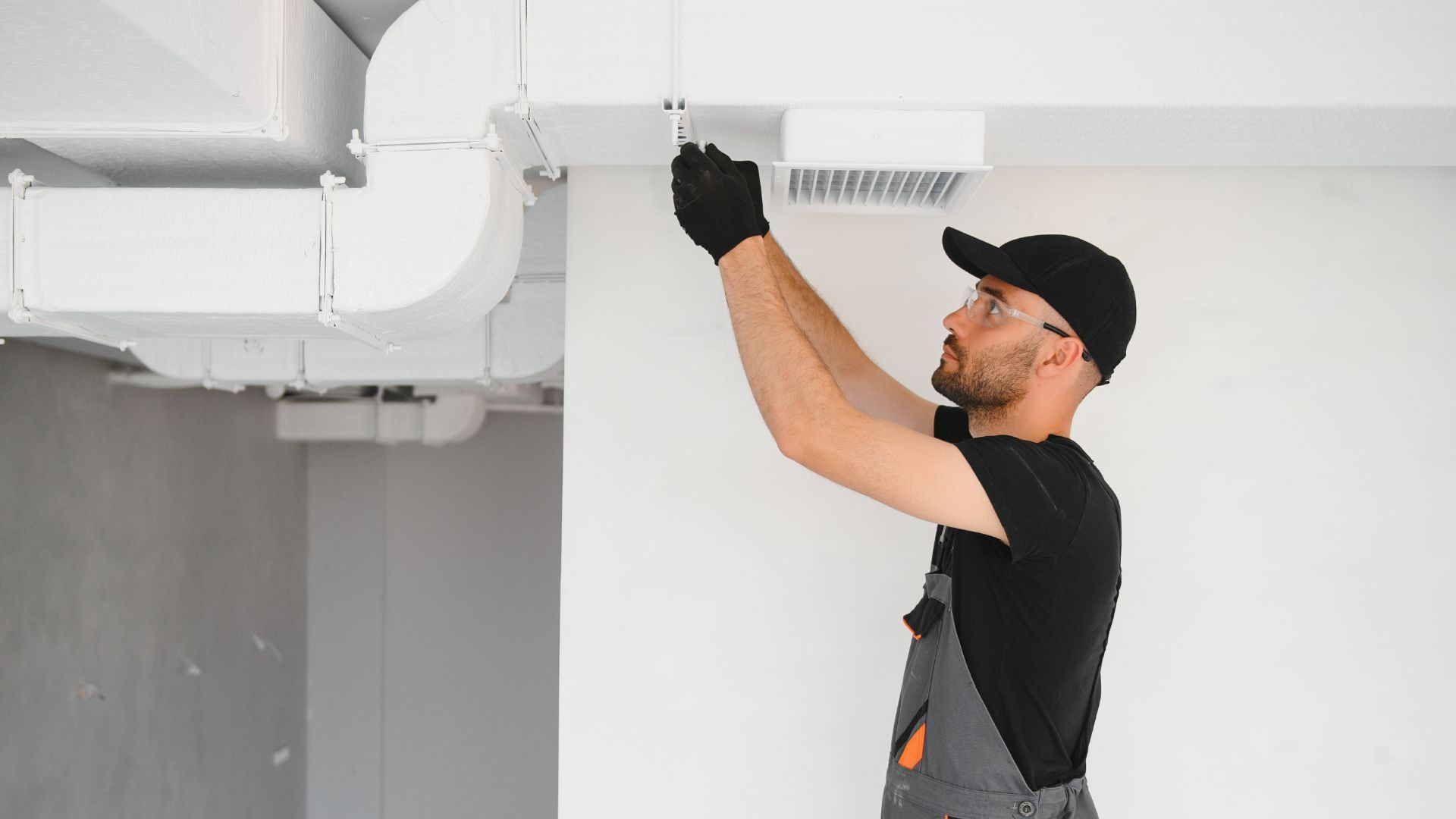
As winter approaches in Rhode Island, homeowners begin to rely more heavily on their heating systems to stay comfortable and safe. Cold coastal winds, fluctuating temperatures, and long heating seasons put extra strain on HVAC systems, especially those that are aging or inefficient. While routine maintenance and repairs can help extend system life, there comes a point when replacement is the more reliable and cost-effective solution. Recognizing the early signs that your home may need HVAC Replacement in Rhode Island allows you to plan, avoid emergency breakdowns, and ensure consistent comfort throughout the winter months. Addressing these issues before temperatures drop gives you more control over timing, system selection, and overall cost. Aging HVAC Systems Nearing the End of Their Lifespan Most HVAC systems are designed to last between fifteen and twenty years. Rhode Island’s climate, with its cold winters and humid summers, can accelerate wear on key components. Even well-maintained systems may begin to lose efficiency and reliability as they age. If your heating and cooling system is approaching the end of its expected lifespan, replacing it before winter reduces the risk of an unexpected failure when your home needs heat most. Aging systems are also less energy efficient, which can lead to higher operating costs during peak heating season. Rising Energy Bills Without Changes in Usage An unexplained increase in heating costs is often one of the first signs of system inefficiency. As HVAC components wear down, the system must work harder and longer to maintain indoor comfort. This extra effort translates into higher energy consumption and rising utility bills. For homeowners noticing consistent increases in winter heating costs, HVAC Replacement in Rhode Island may offer long-term savings. Newer systems are designed to deliver better performance while using less energy, especially during extended heating cycles. Frequent Repairs Becoming More Common
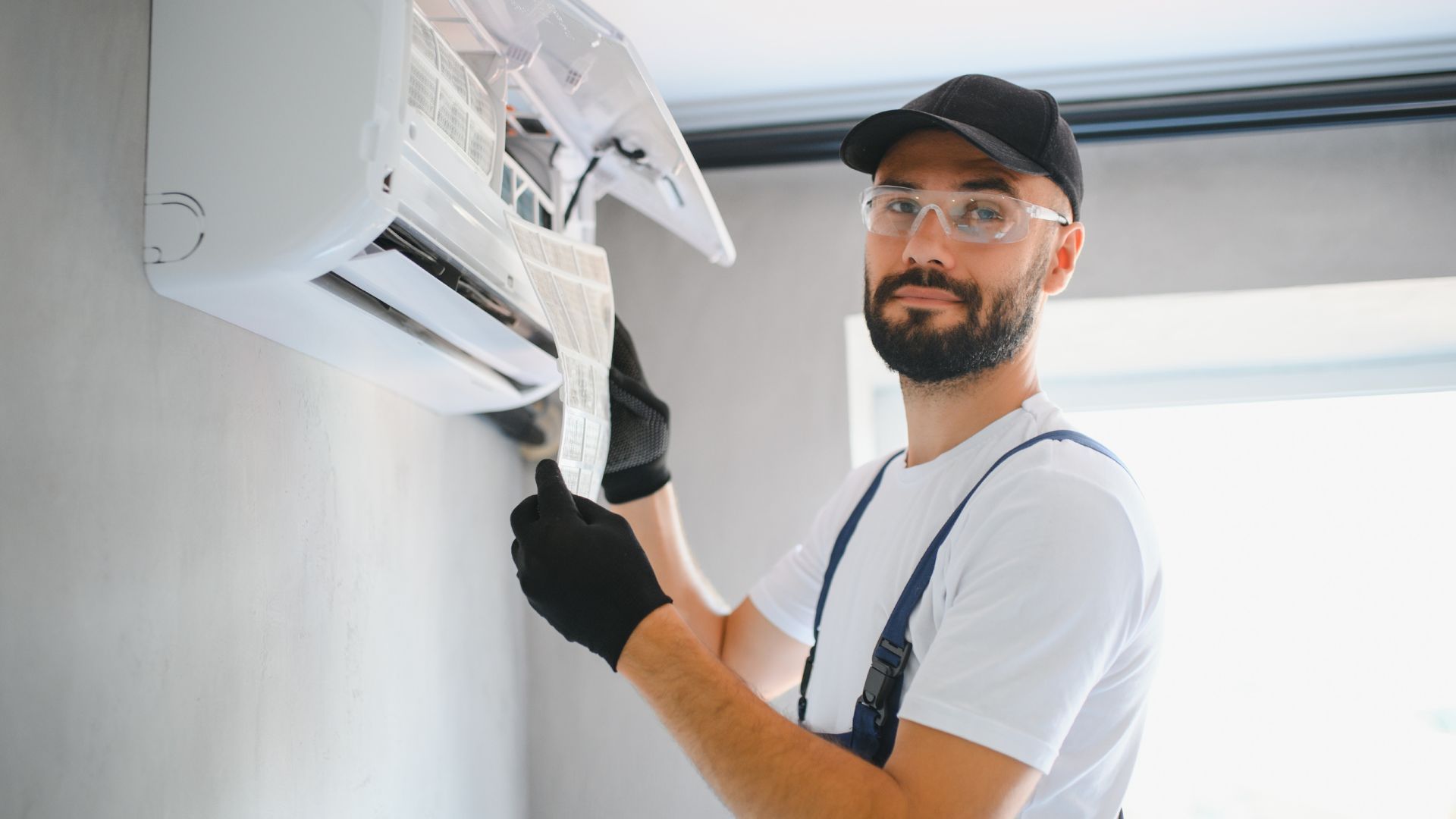
Energy-efficient air conditioning in Rhode Island refers to cooling systems—notably modern heat pumps and high-efficiency central air conditioners—that deliver the same or better comfort while using significantly less energy. These systems work by moving heat rather than creating it, which lowers monthly utility bills and stabilizes indoor temperatures across coastal and inland microclimates in Rhode Island. This guide explains how heat pumps, ductless mini-splits, and high-SEER central units perform in the Ocean State, which efficiency metrics matter (SEER and HSPF), and where to look for incentives that reduce upfront cost. Homeowners struggling with high cooling bills, uneven rooms, or aging equipment will find practical comparisons, estimated savings scenarios, incentive overviews, and clear installation and maintenance checklists. The article maps what energy-efficient air conditioning is, how much you can save, available rebates and tax credits, and how to choose and maintain the right system for Rhode Island homes. Energy-efficient air conditioning in Rhode Island encompasses HVAC solutions that maximize cooling output per unit of electricity, typically measured by SEER for cooling and HSPF for heat-pump heating performance. These systems reduce energy consumption by using improved compressors, advanced refrigerants, variable-speed fans, and smarter controls, producing lower operating costs and more consistent indoor comfort. In a coastal-to-inland climate like Rhode Island's, efficient systems also handle humidity and temperature swings more reliably, improving occupant comfort and reducing wear on equipment. Understanding system types and metrics helps homeowners match technology to local climate realities and long-term cost goals, which leads to a concise look at common system types and their trade-offs. Further research underscores the direct correlation between these ratings and actual efficiency gains. This section outlines common energy-efficient cooling types used in Rhode Island: • Air-source heat pump: Provides both efficient cooling and heating with high seasonal efficiency and reversible operation. • High-efficiency central AC: Works with existing ductwork and offers strong cooling capacity when paired with high SEER-rated components. • Ductless mini-split: Ideal for room-level control and retrofit situations where ducts are inefficient or absent. These system categories cover most Rhode Island homes and set the stage for comparing heat pumps and central AC performance in local conditions.
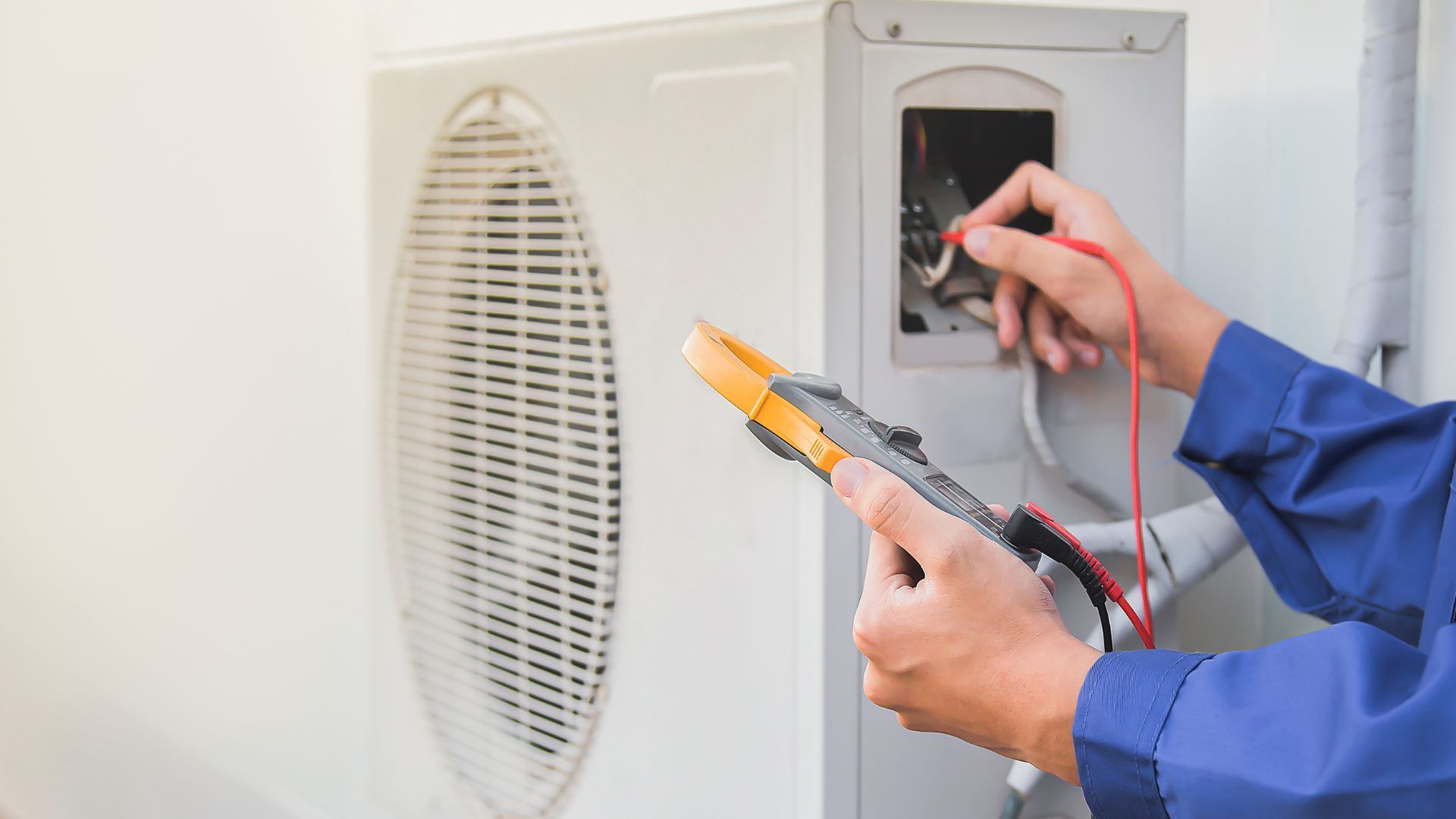
Energy-efficient HVAC refers to heating, ventilation, and air-conditioning systems that deliver the required indoor comfort using less energy than conventional equipment, and in Rhode Island, that means matching equipment to cold winters and humid summers to lower bills and improve comfort. This guide explains core efficiency concepts, compares system types that work well in New England, and walks through the rebates and incentives that can make upgrades more affordable for homeowners and small businesses. Many Rhode Island residents face high winter heating loads and rising electricity costs, and choosing the right high-efficiency heat pump, furnace, or smart controls can reduce ongoing energy use while enhancing indoor air quality. The article previews what energy-efficient HVAC means for RI homes, which systems suit the local climate, how to access federal and state rebates, and practical steps to choose, install, and maintain efficient equipment. Throughout, we'll use clear metrics like SEER, AFUE, and HSPF and mention relevant program names so you can act with confidence and pursue available savings.
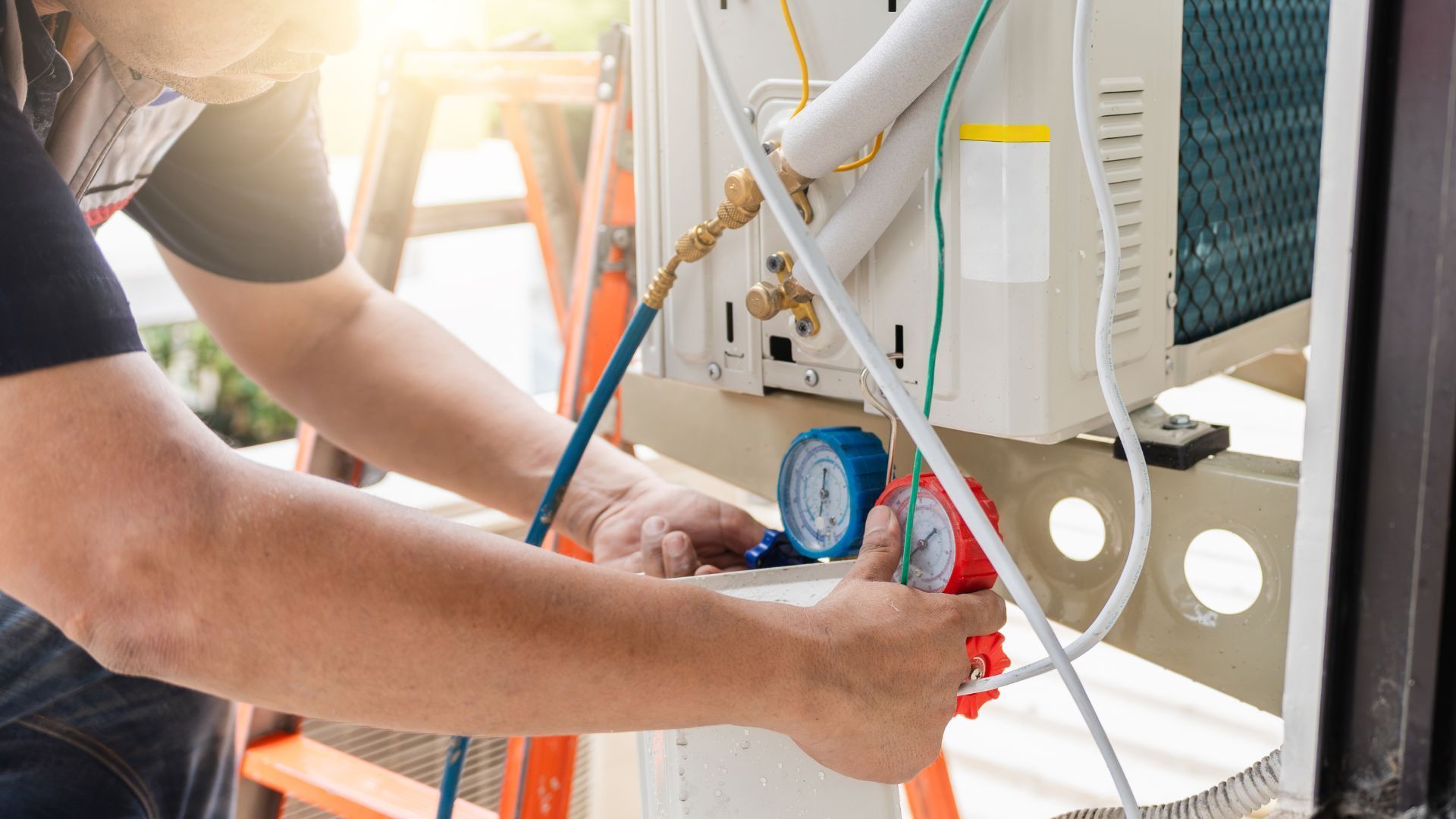
Energy-efficient HVAC installation in Rhode Island means choosing heating, ventilation, and air-conditioning systems that deliver the same or better comfort while using substantially less energy than conventional equipment. In Rhode Island’s mixed coastal and New England climate, modern heat pumps, high-efficiency furnaces, and smart controls reduce fuel consumption and lower household energy bills while also improving indoor air quality and comfort year-round. This article explains the core benefits of energy-efficient HVAC in Rhode Island, quantifies likely savings, outlines available rebates and tax incentives, profiles common system types for local homes, and describes what homeowners should expect during installation and long-term maintenance. Readers will learn practical steps for evaluating upgrades, how to compare performance metrics such as SEER and AFUE, and where to seek certified installers and program support. By the end, you’ll have clear next steps for getting a home energy assessment, estimating potential savings, and preparing to apply for Rhode Island-specific incentives.
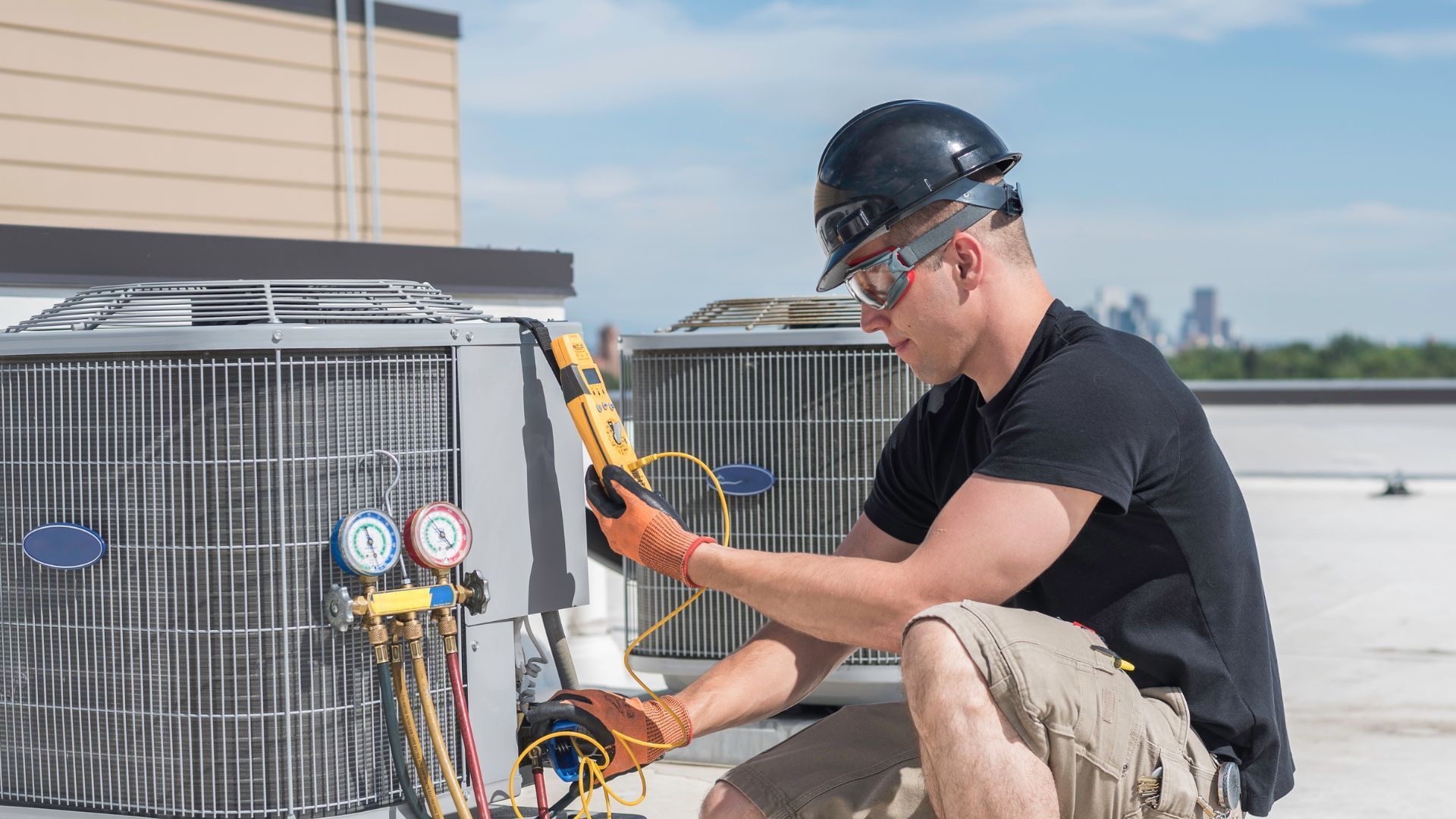
When an HVAC system fails at the worst possible moment, 24/7 HVAC repair means immediate access to trained technicians who diagnose, secure, and restore safe heating or cooling around the clock. This article explains what emergency HVAC repair entails, how the response process works in Rhode Island, which systems qualify as emergencies, and which services are offered after hours. Readers will learn clear decision criteria for calling an emergency technician, practical safety steps to take while waiting for help, and the typical repair workflow from dispatch to temporary fixes or full restoration. The guide also maps core 24/7 services — furnace, boiler, air conditioner, and heat pump — and outlines how residential and commercial needs differ during urgent outages. Finally, you’ll see the factors that build trust in an emergency provider, including response procedures, technician qualifications, and transparent pricing practices, all tailored for Rhode Island households and businesses.
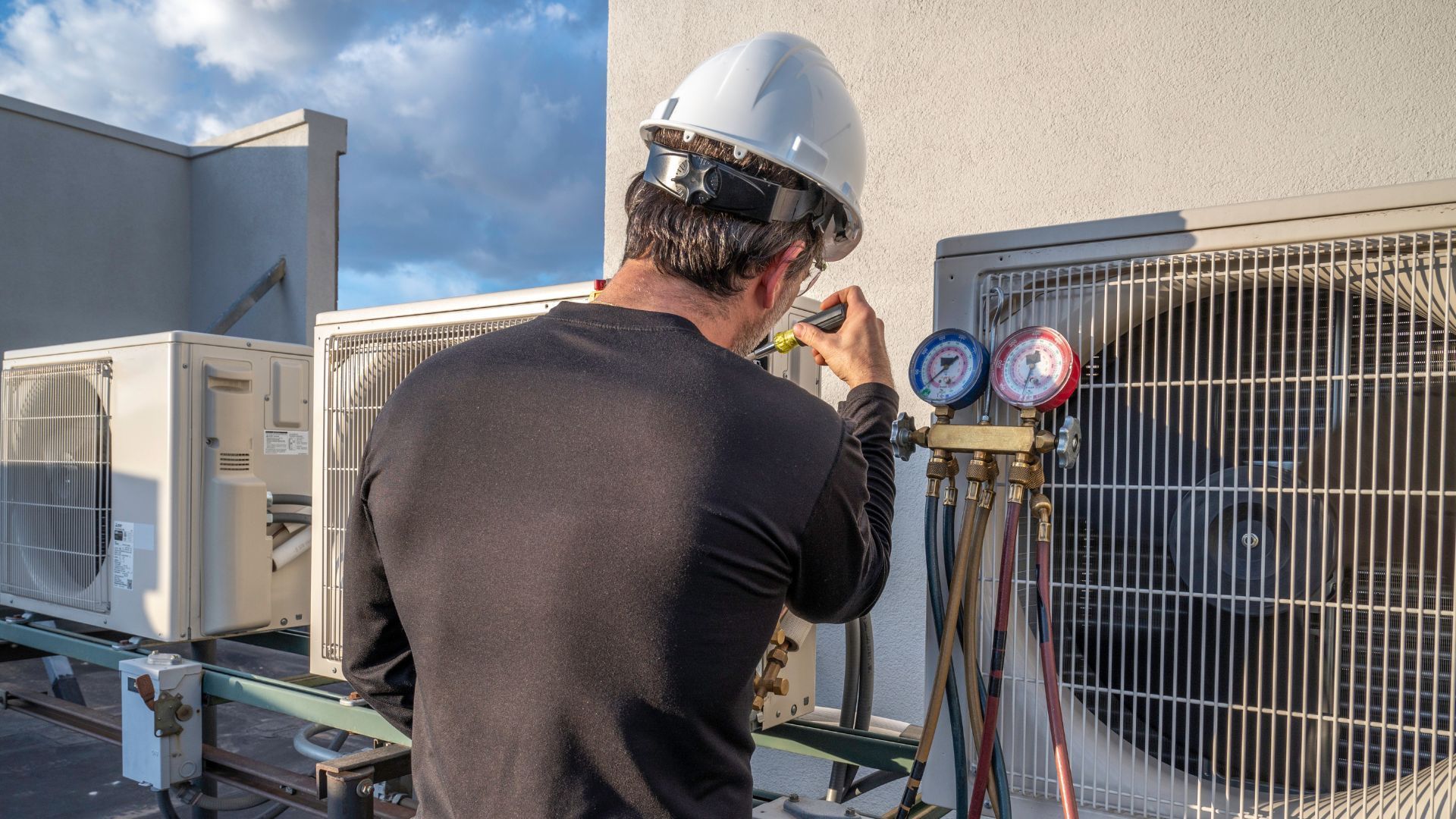
Hiring a contractor in Rhode Island for HVAC systems and air conditioning means understanding the services offered, the considerations involved, and the qualifications that matter. This comprehensive guide explains what to expect from professional contractors, how they deliver value through expert installation, timely repair, and essential seasonal maintenance for your HVAC system, and why Rhode Island's unique local climate and energy regulations shape service choices. Readers will learn about core HVAC service categories, typical project considerations, practical vetting criteria for qualified contractors, and concise answers to common timeline and inspection questions. The article covers detailed service breakdowns, provides illustrative project examples for residential and commercial projects, and offers a clear checklist for choosing the right local contractor. Throughout, the focus is on actionable, region-specific information, empowering Rhode Island homeowners and property managers to make informed decisions about their HVAC and air conditioning systems.
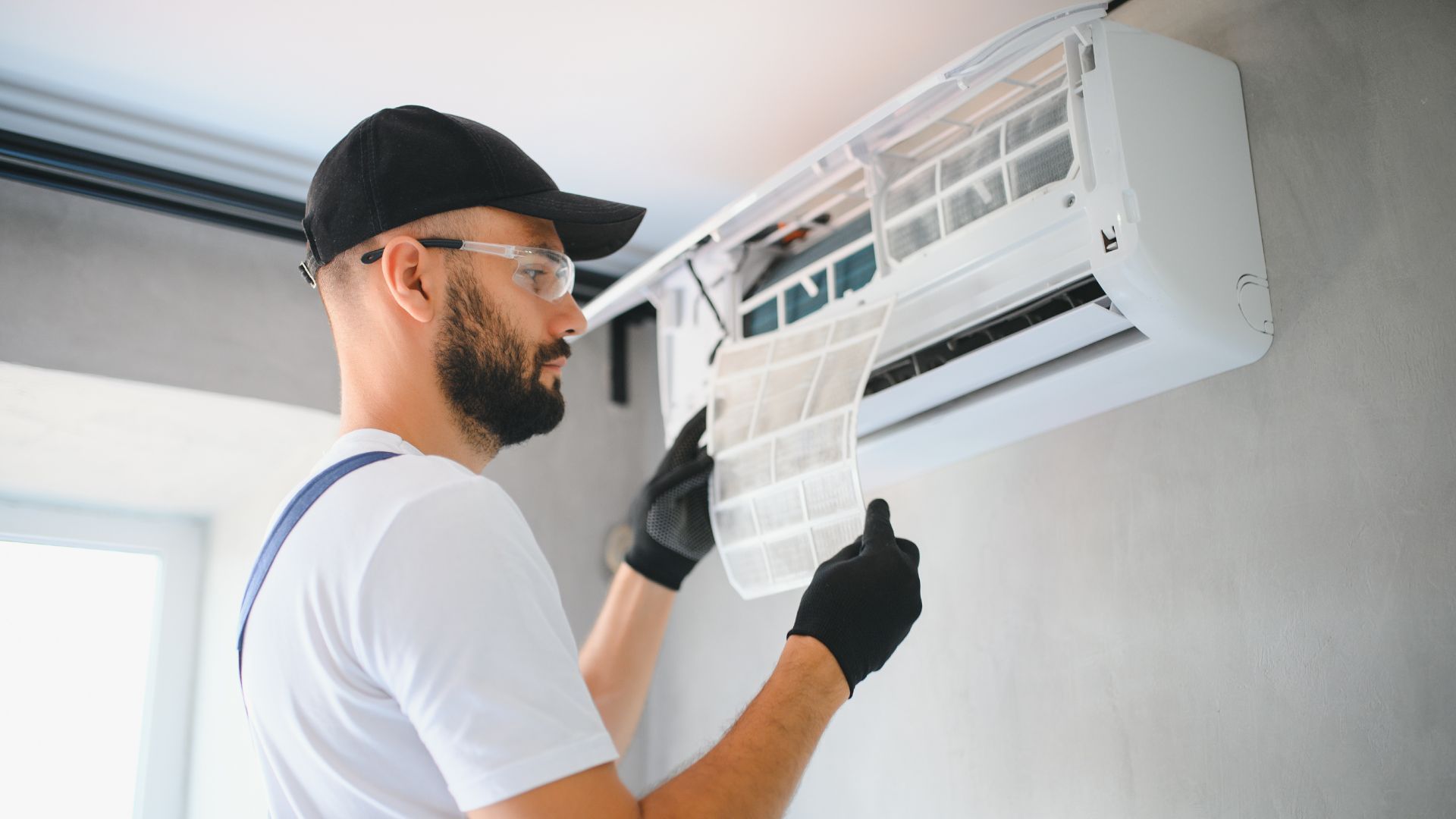
A dependable HVAC air conditioning repair service restores comfort, reduces energy waste, and prevents costly system failures in Rhode Island homes and businesses. This article explains common AC problems in the Rhode Island climate, shows how technicians diagnose and fix those issues, and outlines practical steps property owners can take to troubleshoot before calling for professional help. Readers will learn recognizable failure signs, typical root causes like refrigerant and compressor faults, and the diagnostic workflow that leads from inspection to verified repair. We also cover emergency expectations, maintenance best practices, and how local service areas are handled across Providence, Warwick, and Cranston. Throughout, the content uses clear checklists, step-by-step diagnostics, and reference tables to make decisions faster and to target common "how to" and "what are" queries for AC repair in Rhode Island.
Maintaining healthy commercial indoor air quality is essential for Rhode Island businesses that want to protect occupant health, meet regulatory expectations, and sustain productivity. This guide explains commercial indoor air quality services, how commercial IAQ services in Rhode Island are tested and assessed, what purification and ventilation solutions are available, and why ongoing IAQ maintenance matters for local buildings. Readers will learn practical steps for scoping commercial air quality testing in RI, compare purification technologies and HVAC air filtration upgrades in commercial RI, and review cost drivers that influence commercial IAQ projects. The article covers testing protocols, common contaminants, purification options such as HEPA and UV-C, ventilation strategies including ERVs, and an RI-focused compliance overview. Throughout, the focus is on actionable information for facility managers, property owners, and building operators seeking clear next steps for improving indoor environmental quality in Rhode Island.
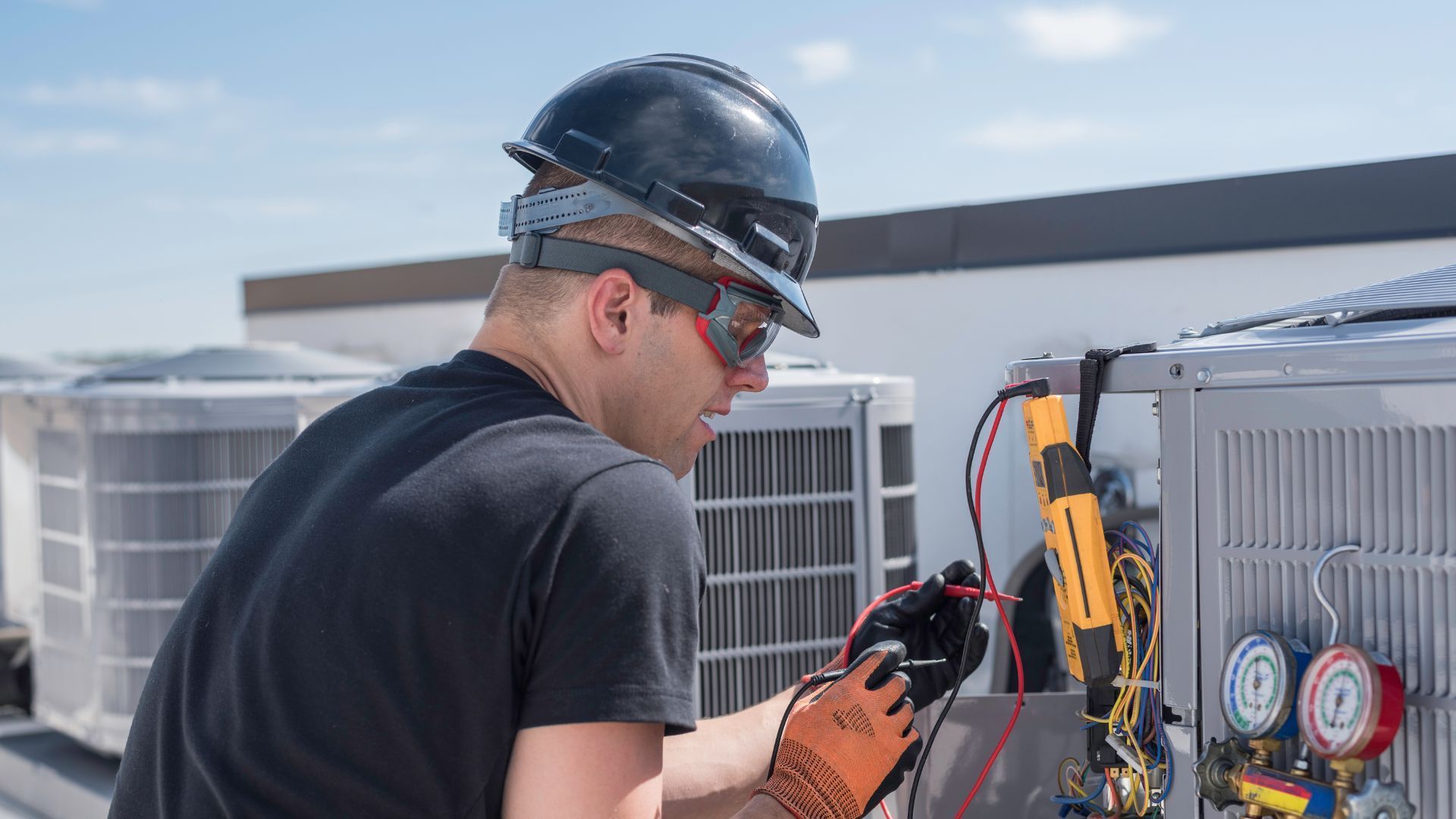
Commercial HVAC installation refers to the professional replacement or upgrade of heating, ventilation, and air conditioning systems in commercial buildings to improve performance, efficiency, and indoor environmental quality in Rhode Island's coastal-temperate climate. Upgrading commercial HVAC systems reduces energy consumption through the use of higher SEER/IEER-rated equipment, smarter controls, and improved ventilation strategies, while simultaneously enhancing indoor air quality (IAQ) for improved occupant health and comfort. This article explains the primary energy savings, outlines Rhode Island rebate opportunities, details IAQ and comfort improvements, and explores reliability, longevity, and smart technology benefits for Rhode Island businesses. Readers will learn how modern systems such as VRF systems, rooftop units, and commercial heat pumps deliver measurable operating-cost reductions, how advanced filtration and ERV/HRV ventilation strategies mitigate contaminants, and why professional installation and preventative maintenance are essential for uptime and lifecycle ROI. The sections that follow cover key energy savings and incentive tables, health and comfort improvements from upgrades, reliability and lifespan considerations tied to professional installation, and the role of smart controls and sustainable options in lowering costs and emissions.