Maximize Comfort With Energy-Efficient Air Conditioning in Rhode Island
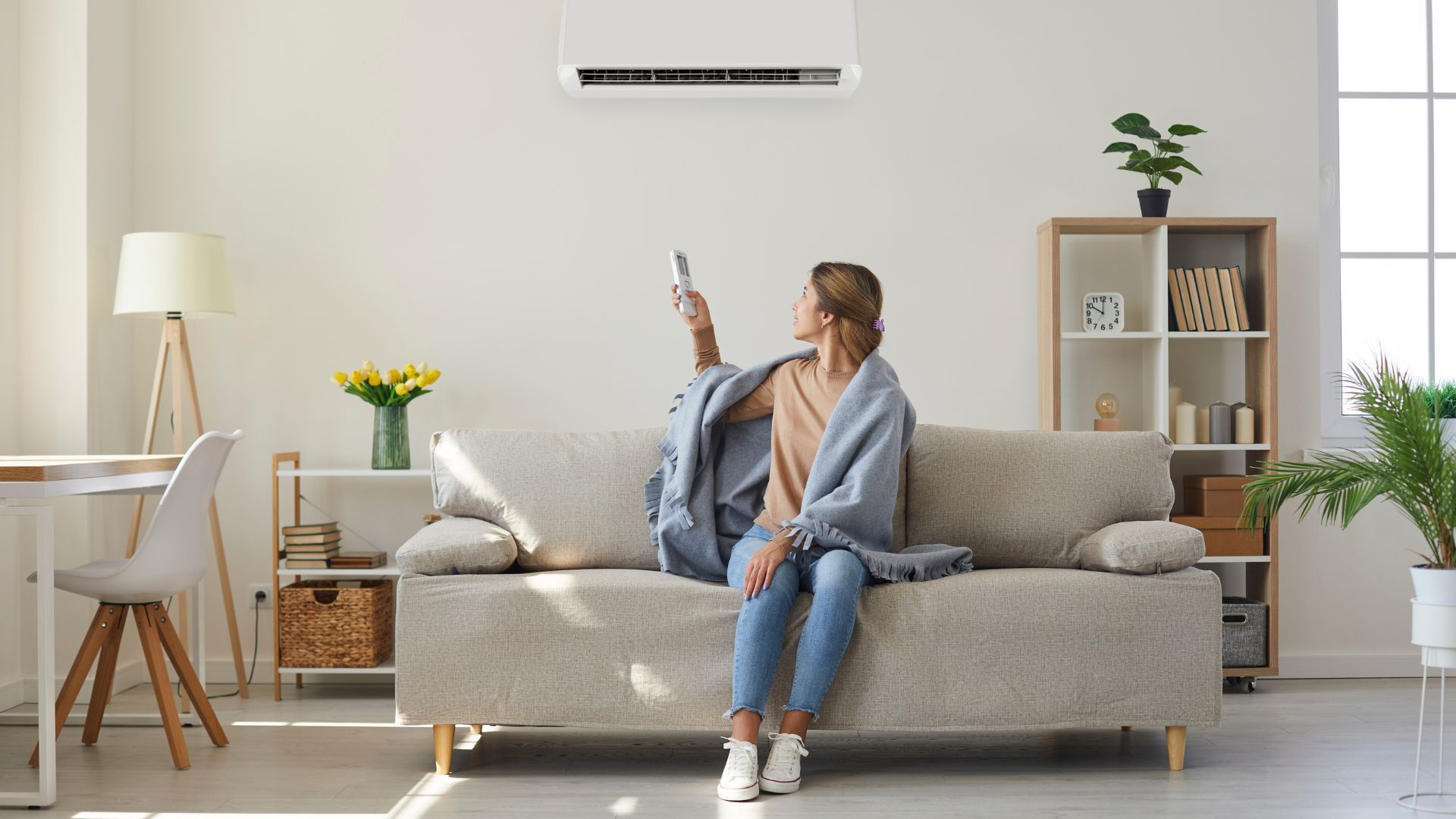
Energy-efficient air conditioning in Rhode Island refers to cooling systems—notably modern heat pumps and high-efficiency central air conditioners—that deliver the same or better comfort while using significantly less energy. These systems work by moving heat rather than creating it, which lowers monthly utility bills and stabilizes indoor temperatures across coastal and inland microclimates in Rhode Island. This guide explains how heat pumps, ductless mini-splits, and high-SEER central units perform in the Ocean State, which efficiency metrics matter (SEER and HSPF), and where to look for incentives that reduce upfront cost. Homeowners struggling with high cooling bills, uneven rooms, or aging equipment will find practical comparisons, estimated savings scenarios, incentive overviews, and clear installation and maintenance checklists. The article maps what energy-efficient air conditioning is, how much you can save, available rebates and tax credits, and how to choose and maintain the right system for Rhode Island homes.
Energy-efficient air conditioning in Rhode Island encompasses HVAC solutions that maximize cooling output per unit of electricity, typically measured by SEER for cooling and HSPF for heat-pump heating performance. These systems reduce energy consumption by using improved compressors, advanced refrigerants, variable-speed fans, and smarter controls, producing lower operating costs and more consistent indoor comfort. In a coastal-to-inland climate like Rhode Island's, efficient systems also handle humidity and temperature swings more reliably, improving occupant comfort and reducing wear on equipment. Understanding system types and metrics helps homeowners match technology to local climate realities and long-term cost goals, which leads to a concise look at common system types and their trade-offs.
Further research underscores the direct correlation between these ratings and actual efficiency gains.
This section outlines common energy-efficient cooling types used in Rhode Island:
• Air-source heat pump: Provides both efficient cooling and heating with high seasonal efficiency and reversible operation.
• High-efficiency central AC: Works with existing ductwork and offers strong cooling capacity when paired with high SEER-rated components.
• Ductless mini-split: Ideal for room-level control and retrofit situations where ducts are inefficient or absent.
These system categories cover most Rhode Island homes and set the stage for comparing heat pumps and central AC performance in local conditions.
How do heat pumps and high-efficiency central AC compare in Rhode Island?
Heat pumps typically offer both cooling and efficient heating in one package by reversing refrigerant flow, which makes them highly advantageous in Rhode Island, where winters are moderate compared with colder regions. High-efficiency central AC excels strictly in cooling performance when paired with a quality furnace or fossil fuel heating system, and may be preferred where homeowners retain existing heating infrastructure. Heat pumps often deliver higher seasonal energy performance (measured by HSPF and SEER combined) and reduce the need for separate heating equipment. At the same time, central AC can be less costly to install when ductwork and a compatible heating system already exist. Choosing between them depends on the existing home systems, cold-weather model selection for reliable winter operation, and the homeowner's priorities for single-system simplicity versus retaining separate heating equipment.
What SEER ratings qualify for rebates and incentives in Rhode Island?

SEER ratings indicate seasonal cooling efficiency, and higher SEERs generally qualify for better utility or program incentives, though specific thresholds vary by program and change over time. As a practical rule, systems rated in the high-efficiency range (for example, SEER 16 and above for central units or ENERGY STAR-certified heat pumps) are commonly targeted by incentive programs, while top-tier heat pumps with strong HSPF values often receive additional support. Higher SEER reduces operating costs by lowering electricity consumption during peak cooling months in Rhode Island, which directly translates to annual bill savings and faster payback on upfront investment. For precise eligibility and current thresholds, homeowners should check program specifics before purchasing, and that verification step naturally leads to estimating how much those efficiency gains can save on yearly bills.
Energy-efficient cooling typically reduces summertime electricity usage and total HVAC spending through higher SEER/HSPF ratings and smarter controls that avoid wasted runtime. Typical conservative estimates suggest upgrading from a decade-old standard system to a modern heat pump or high-SEER central AC can lower annual cooling-related energy costs by roughly 15–35%, depending on home size, insulation, and usage habits. Savings are driven by system efficiency, proper sizing, duct integrity, and thermostat strategies; improving the building envelope enhances every percentage point of equipment efficiency. The following comparison table gives at-a-glance estimates to help Rhode Island homeowners approximate potential savings and investment trade-offs.
| System Type | Efficiency Metric | Estimated Annual Cooling Cost (Relative) |
|---|---|---|
| Air-source heat pump | SEER 16–20, HSPF high | Lower to moderate, best combined heating/cooling savings |
| High-efficiency central AC | SEER 16–22 | Moderate cooling cost; depends on a separate heating system |
| Ductless mini-split | SEER 18–24 | Low for zoned cooling; excellent for retrofits |
| High-efficiency furnace/boiler | AFUE 90%+ for condensing units | Low to moderate |
This comparison clarifies that heat pumps and high-SEER options generally produce the largest combined heating and cooling savings in Rhode Island, leading to concrete example scenarios that estimate real-dollar reductions.
Estimated savings with heat pumps vs. standard air conditioning in Rhode Island
Example scenarios help illustrate typical outcomes: a small well-insulated single-family home switching from a 10-year-old central AC to a modern heat pump might see cooling-season energy use drop by 20% and total HVAC costs fall by 10–15% annually. A medium-sized home with moderate insulation can expect 15–25% lower cooling bills and additional winter savings if replacing an electric resistance system with a heat pump. Commercial or larger residential systems may deliver similar percentage savings, but with larger absolute dollar amounts, so payback depends on hours of operation and local electricity rates. These examples assume correct sizing and professional installation; homeowners should request customized estimates to refine savings projections.
Real-world projects further demonstrate the significant energy savings achievable with advanced heat pump systems.
What factors influence energy savings in Rhode Island homes?
Realized savings vary based on building envelope quality, ductwork condition, thermostat control, occupancy patterns, and correct equipment sizing, with poor duct sealing alone often eroding a large share of potential gains. Insulation and air sealing reduce cooling load and allow smaller, more efficient equipment to achieve comfort goals, while programmable or smart thermostats reduce runtime during unoccupied hours. Installation quality, including refrigerant charge and airflow balance, is critical—eligible incentives frequently require certified installers and proof of proper commissioning. Addressing these factors before or during equipment replacement maximizes the percentage of theoretical savings captured in practice, and then you can pursue available incentives to lower upfront costs.
Rhode Island homeowners can often combine utility rebates, state programs, and federal tax credits to lower the net cost of energy-efficient air conditioning and heat pump installations. Key program types to check include utility-run rebates, state initiatives designed to accelerate clean heating adoption, and federal tax credits that support qualifying heat pumps and energy-efficient upgrades. The following bulleted list highlights the major program categories and what homeowners should confirm when planning an upgrade.
Such programs are crucial for driving the adoption of more efficient cooling technologies.
• Rhode Island Energy rebates: Utility incentives for qualifying high-efficiency equipment and installation standards.
• Clean Heat Rhode Island: State-backed initiatives to promote heat pumps and reduce emissions across residential buildings.
• Federal tax credits: Nationwide tax incentives that may apply to qualifying heat pumps and energy-efficient home upgrades.
After choosing candidate programs, homeowners should verify current eligibility, required efficiency thresholds, and application timing so incentives stack effectively. The table below summarizes the program providers, incentive types, and the general nature of eligibility to make comparisons easier.
| Provider | Incentive Type | Typical Eligibility Notes |
|---|---|---|
| Rhode Island Energy | Utility rebate | Equipment and installer requirements vary by program year |
| Clean Heat Rhode Island | State program support | Targets heat pump adoption and may include technical assistance |
| Federal tax credits | Tax incentive | Applies to qualifying equipment; consult tax guidance for details |
These listings illustrate that incentives come from multiple levels and often interact, so stacking rules and timing matter for realized project economics. Upgrades to energy-efficient cooling commonly coincide with other home-system improvements; for example, homeowners often schedule landscaping alongside seasonal maintenance and larger retrofit projects to coordinate contractors and timing efficiently.
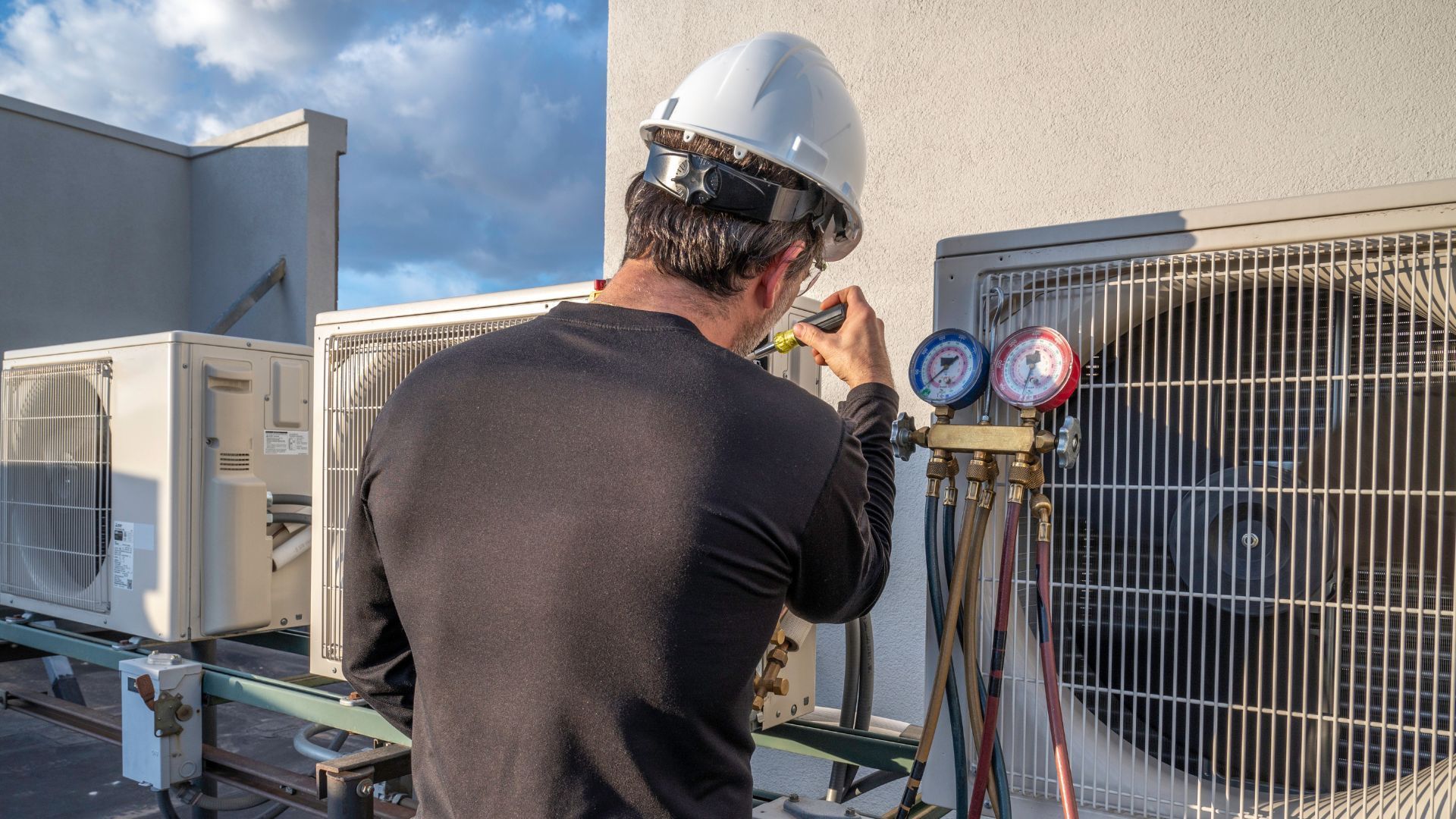
Selecting the right energy-efficient system starts with a load calculation, understanding ductwork condition, and evaluating whether a heat pump, central AC, or ductless mini-split best matches the home’s layout and occupant needs. Proper sizing avoids short-cycling or inadequate capacity, while installer qualifications, permitting requirements, and access to incentive documentation shape the installation pathway. Below is a concise installation checklist to guide homeowner conversations with contractors and to ensure the project captures expected efficiency benefits.
• Perform a Manual J load calculation: Ensures correct equipment sizing for Rhode Island climate zones.
• Inspect and seal ductwork: Reduces losses that negate equipment efficiency.
• Confirm installer certification and permit obligations: Keeps warranties intact and supports rebate eligibility.
• Evaluate zoning or ductless options for targeted comfort: May improve efficiency and reduce operating hours.
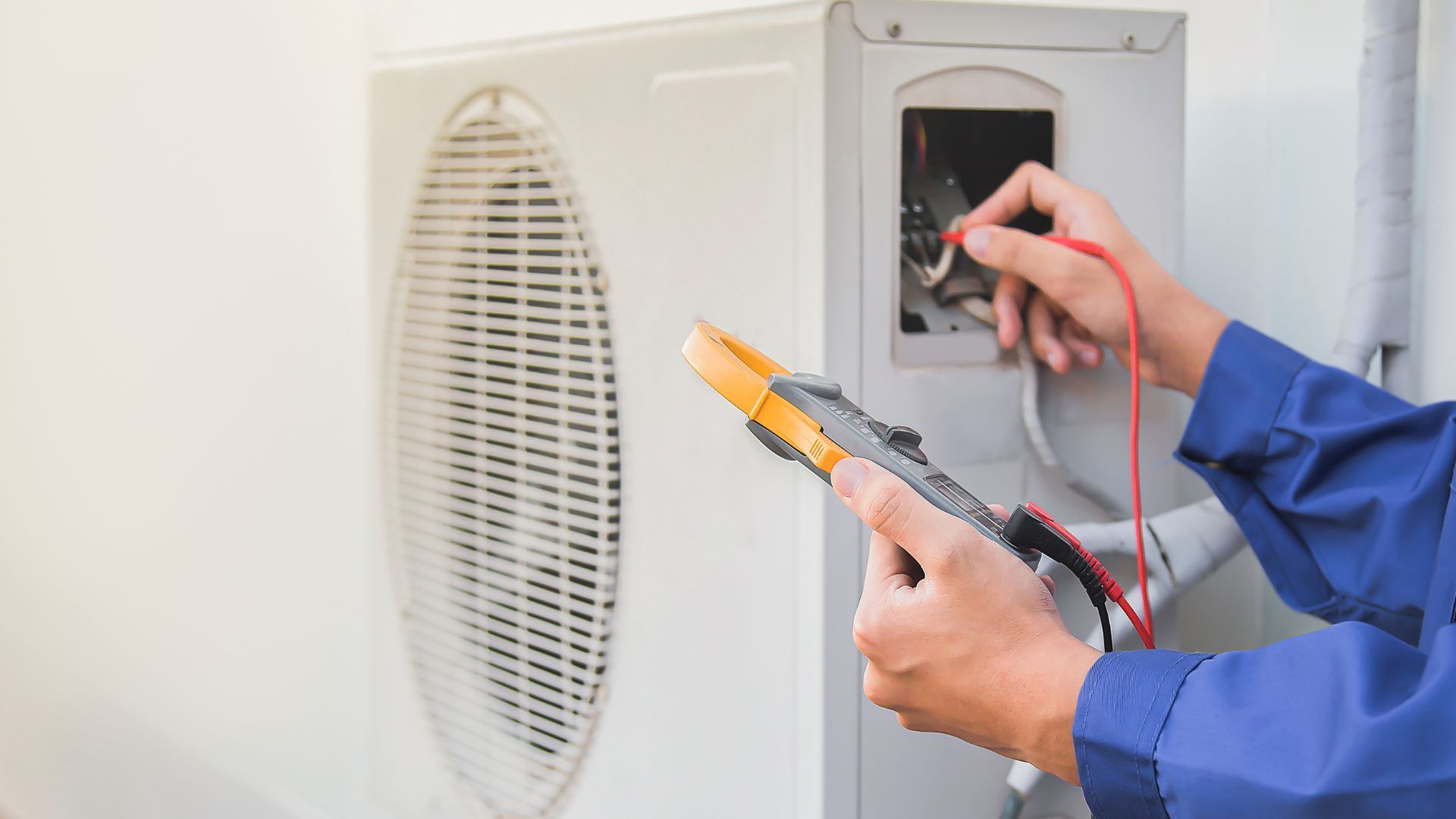
Following that checklist reduces common installation errors that undermine theoretical efficiency, and a practical maintenance plan preserves performance over the system’s lifespan. Routine maintenance includes seasonal coil and filter cleaning, refrigerant charge checks, and annual tune-ups that sustain SEER/HSPF performance and prevent efficiency degradation. When coordinating installation or seasonal HVAC maintenance, homeowners sometimes align other home-service needs for convenience and scheduling efficiency; for example, bundling yard or irrigation work with HVAC service visits can simplify project logistics and seasonal checklists.
Heat pump installation considerations in Rhode Island
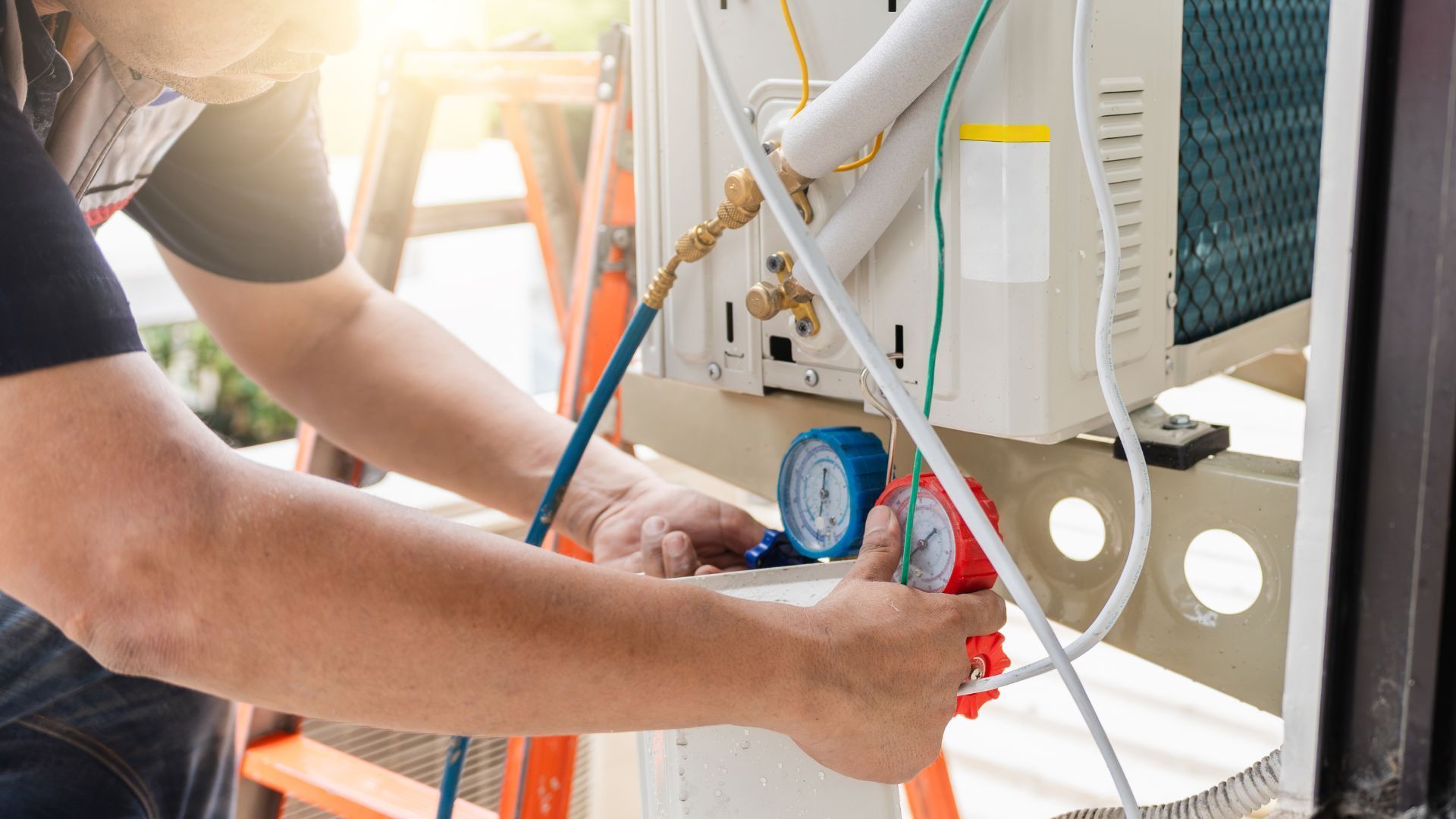
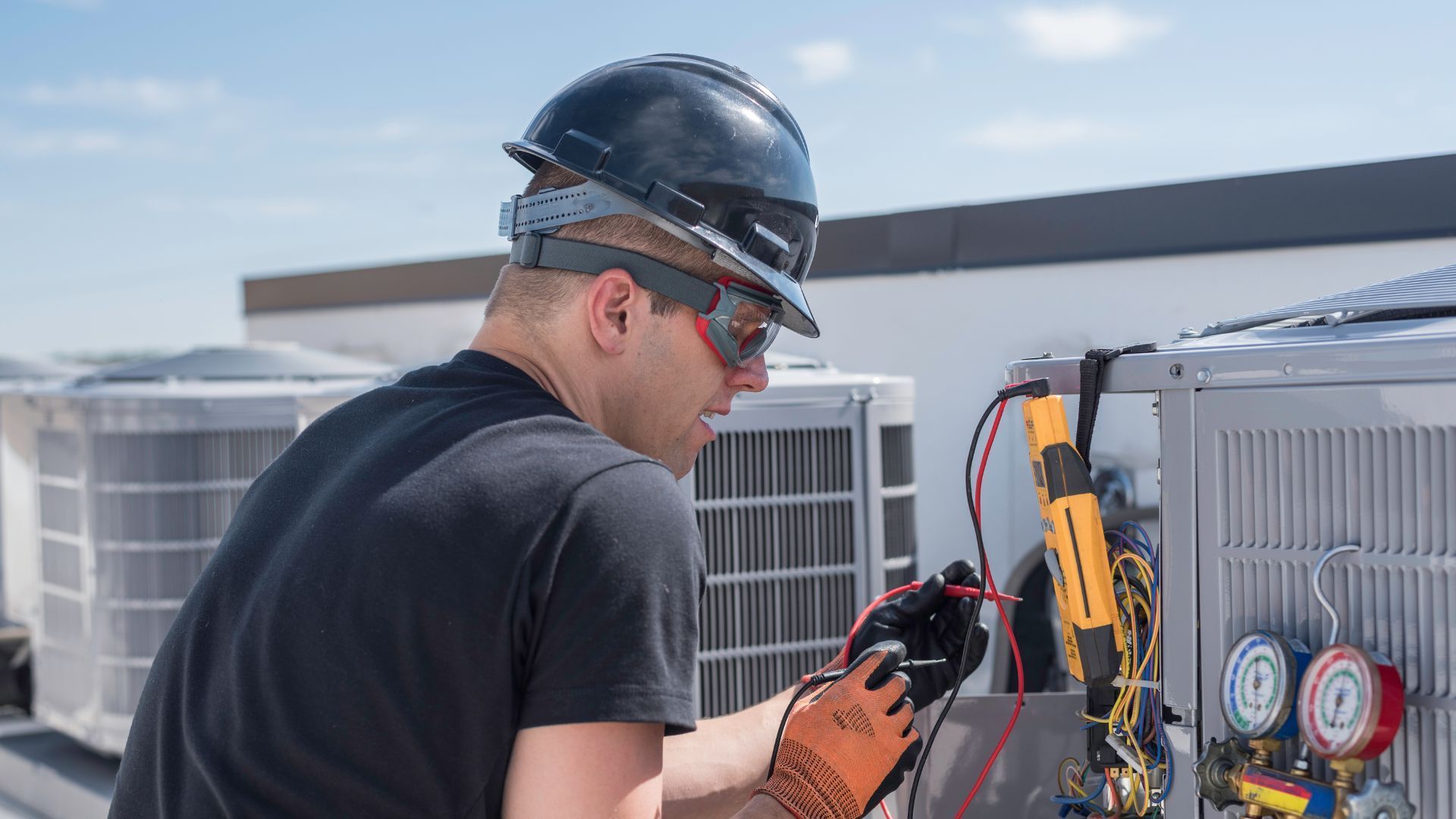
Heat pump installation in Rhode Island requires attention to cold-weather performance of the selected model, correct sizing to balance winter heating and summer cooling loads, and evaluation of existing ductwork compatibility for retrofit projects. Installers should perform load calculations and recommend cold-climate heat pump models if the home experiences particularly low winter temperatures or if backup heating integration is necessary. Refrigerant line routing, outdoor unit siting to minimize exposure to wind and salt spray near the coast, and clear documentation for incentive applications are all important. Asking prospective contractors about commissioning practices, warranty terms, and evidence of past Rhode Island installations helps ensure reliable seasonal performance.
Maintenance tips to maximize efficiency in Rhode Island climates
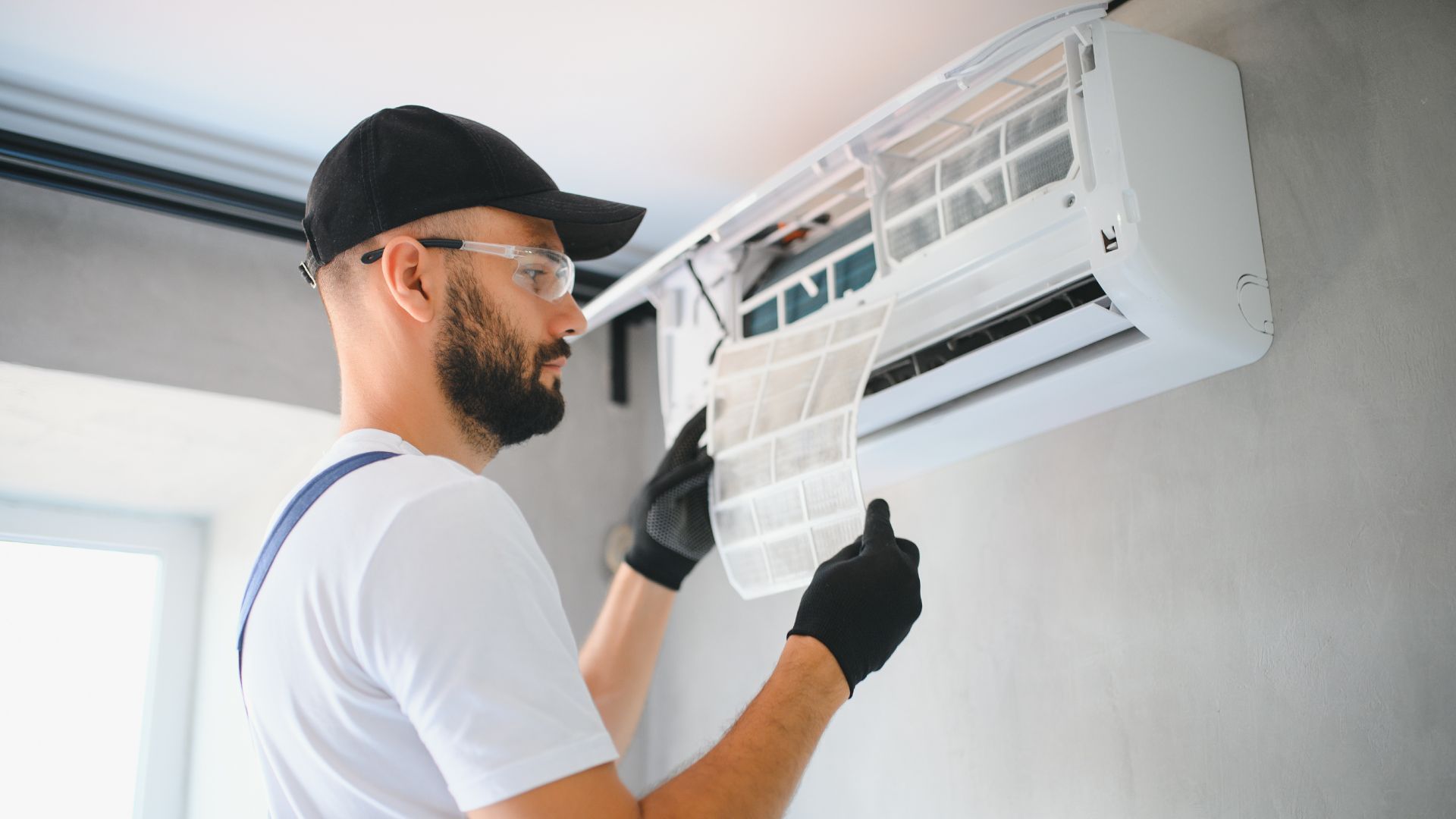
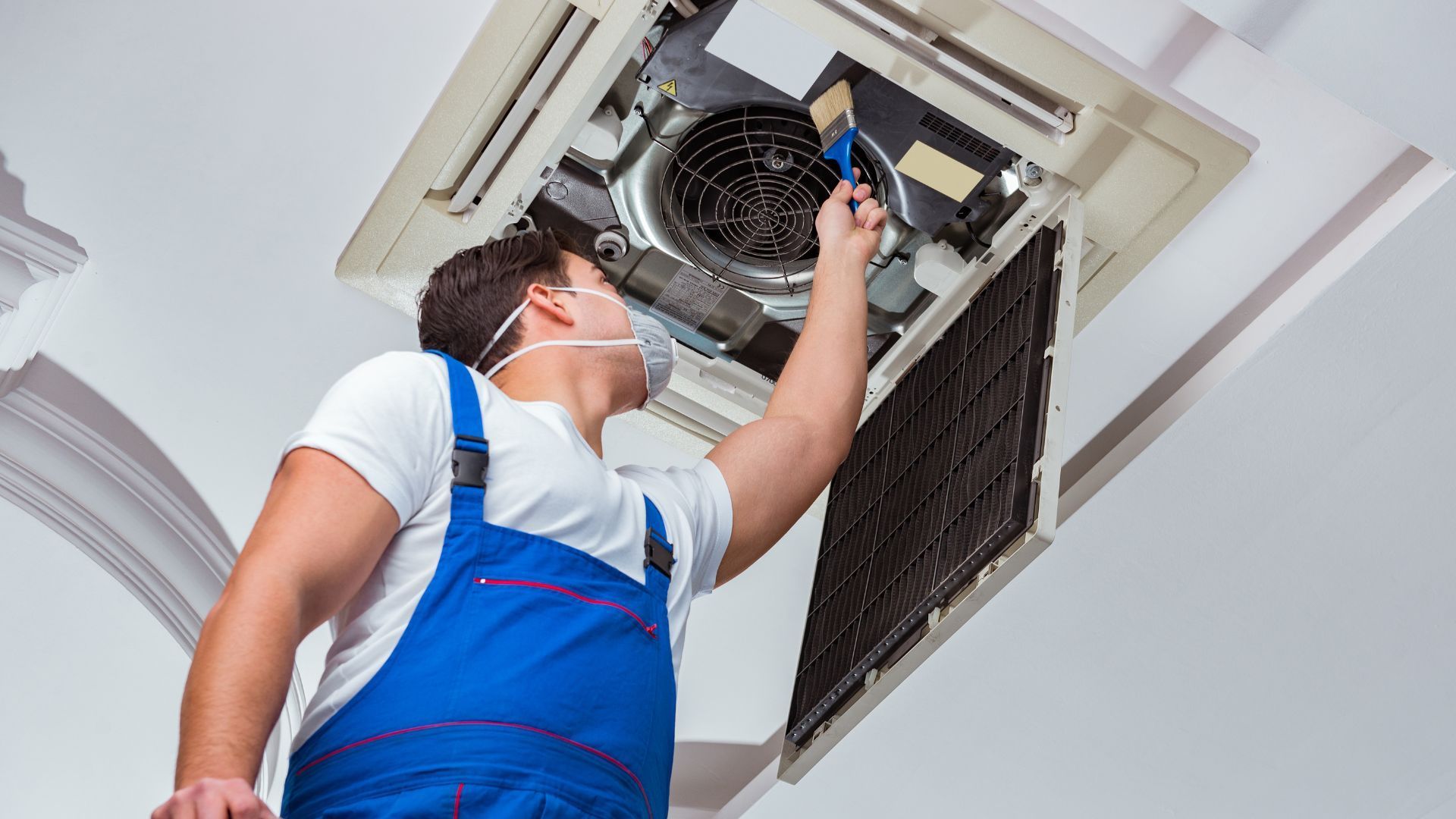
Seasonal maintenance preserves efficiency and comfort by keeping airflow unobstructed, coils clean, and refrigerant charge optimal, which directly impacts energy use and system longevity. Homeowners should change or clean filters regularly, schedule annual professional tune-ups in spring or early summer for cooling readiness, and verify thermostat calibration and control schedules to avoid unnecessary runtime. Addressing humidity control in coastal areas and ensuring outdoor units have adequate airflow clearance reduces strain on compressors and maintains rated SEER performance. A well-documented maintenance routine and timely repairs protect incentive qualifications and make long-term savings more predictable.