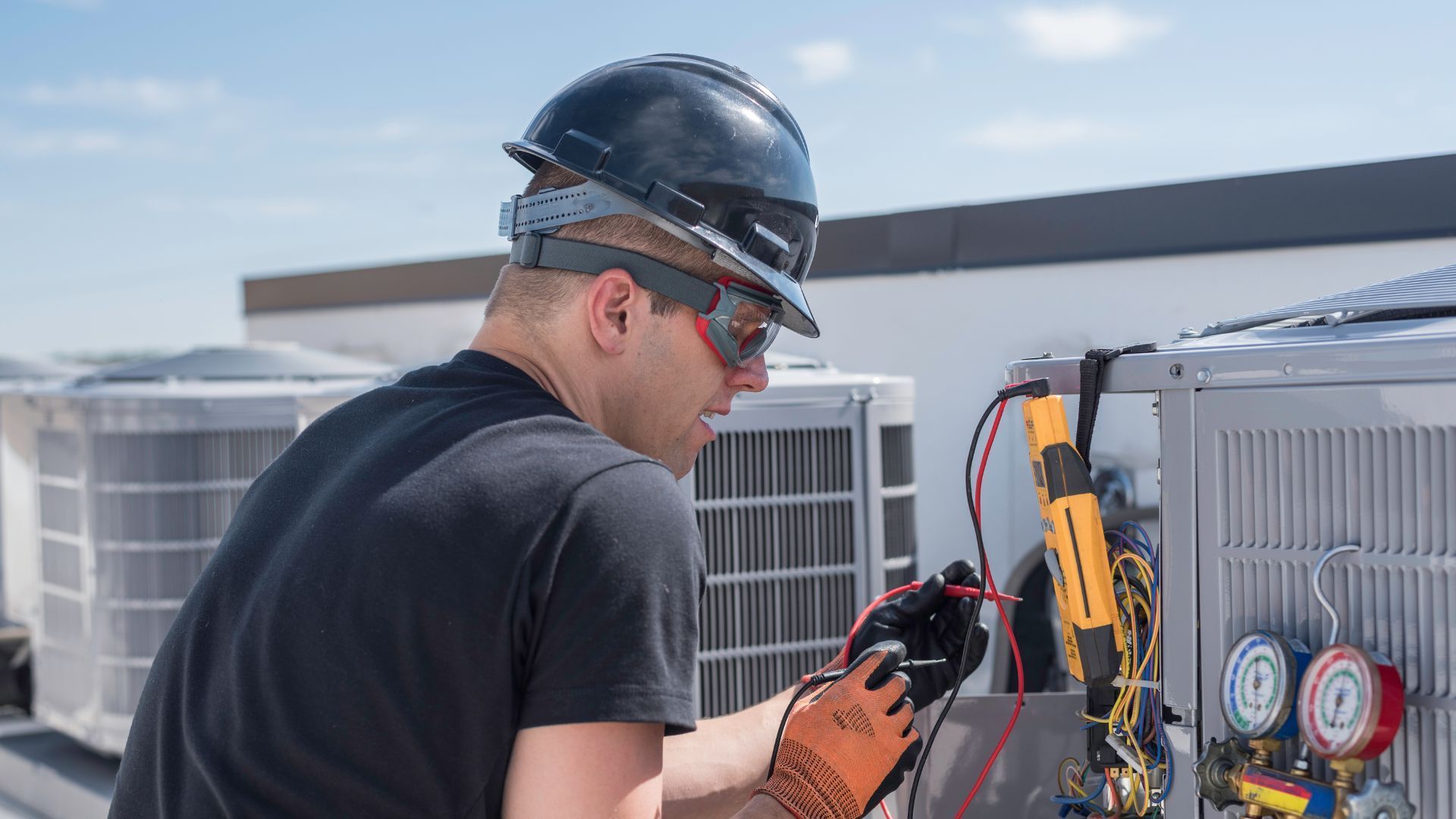
24/7 HVAC Repairs in Rhode Island: Emergency Service You Can Trust
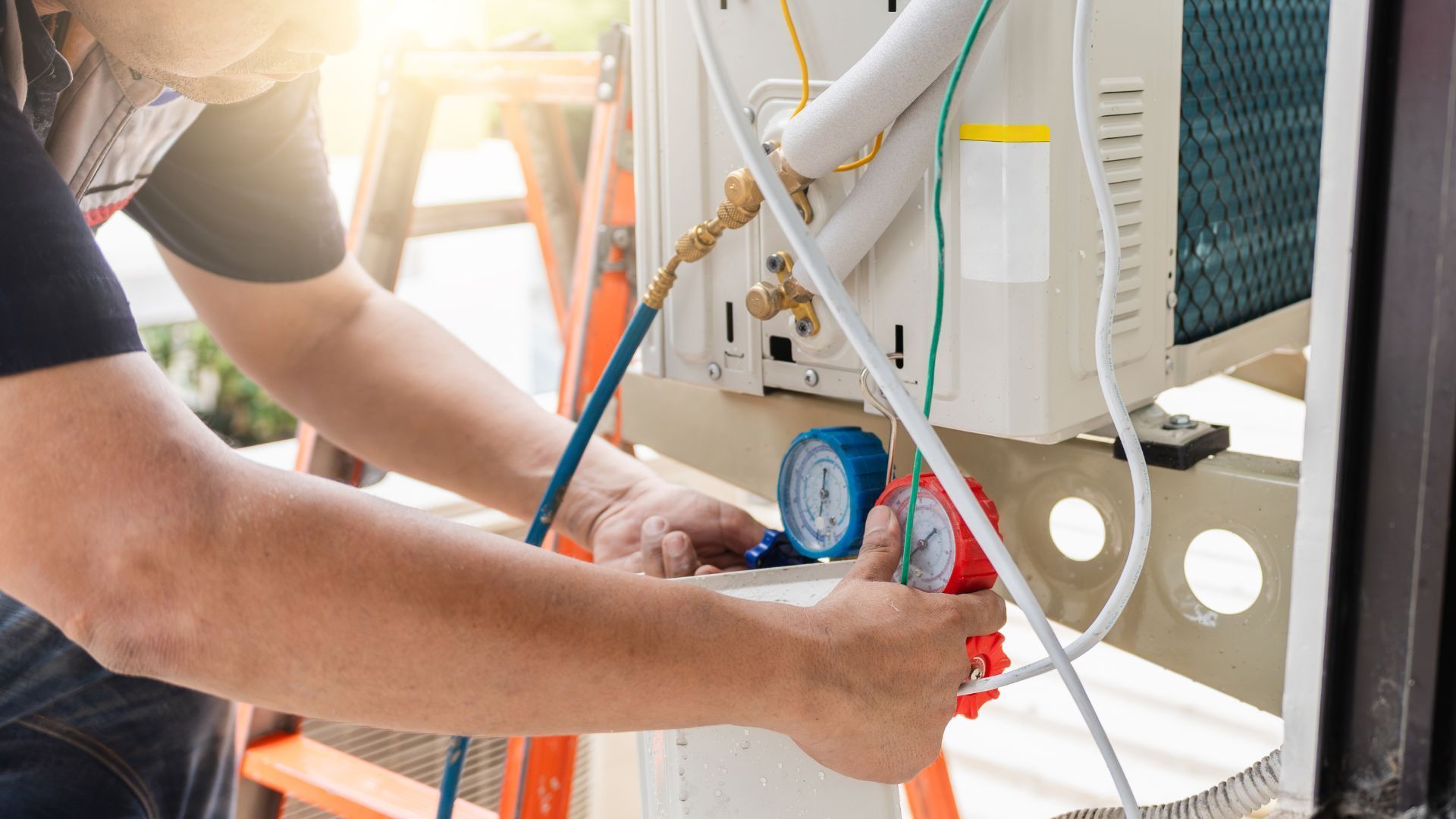
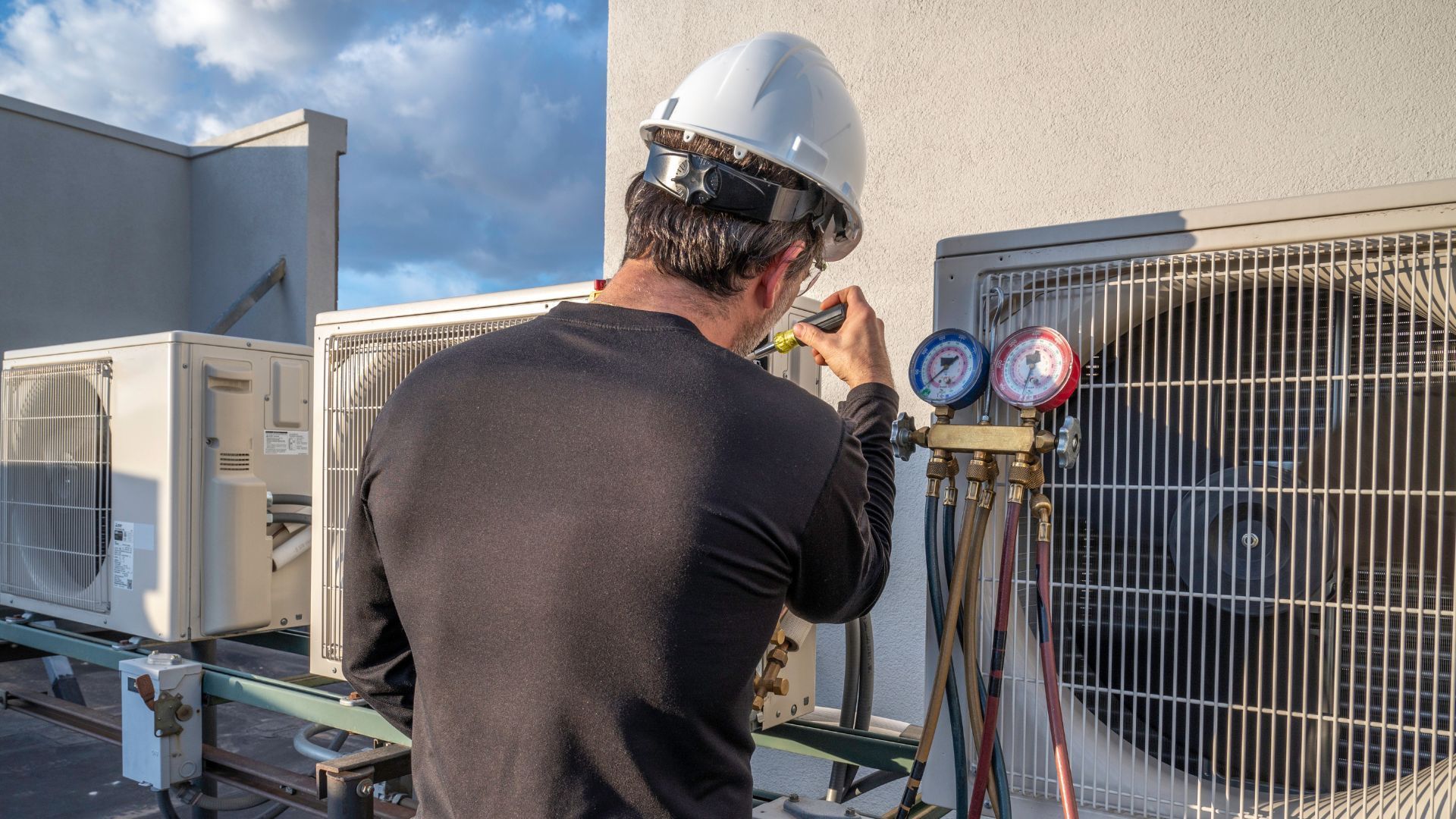
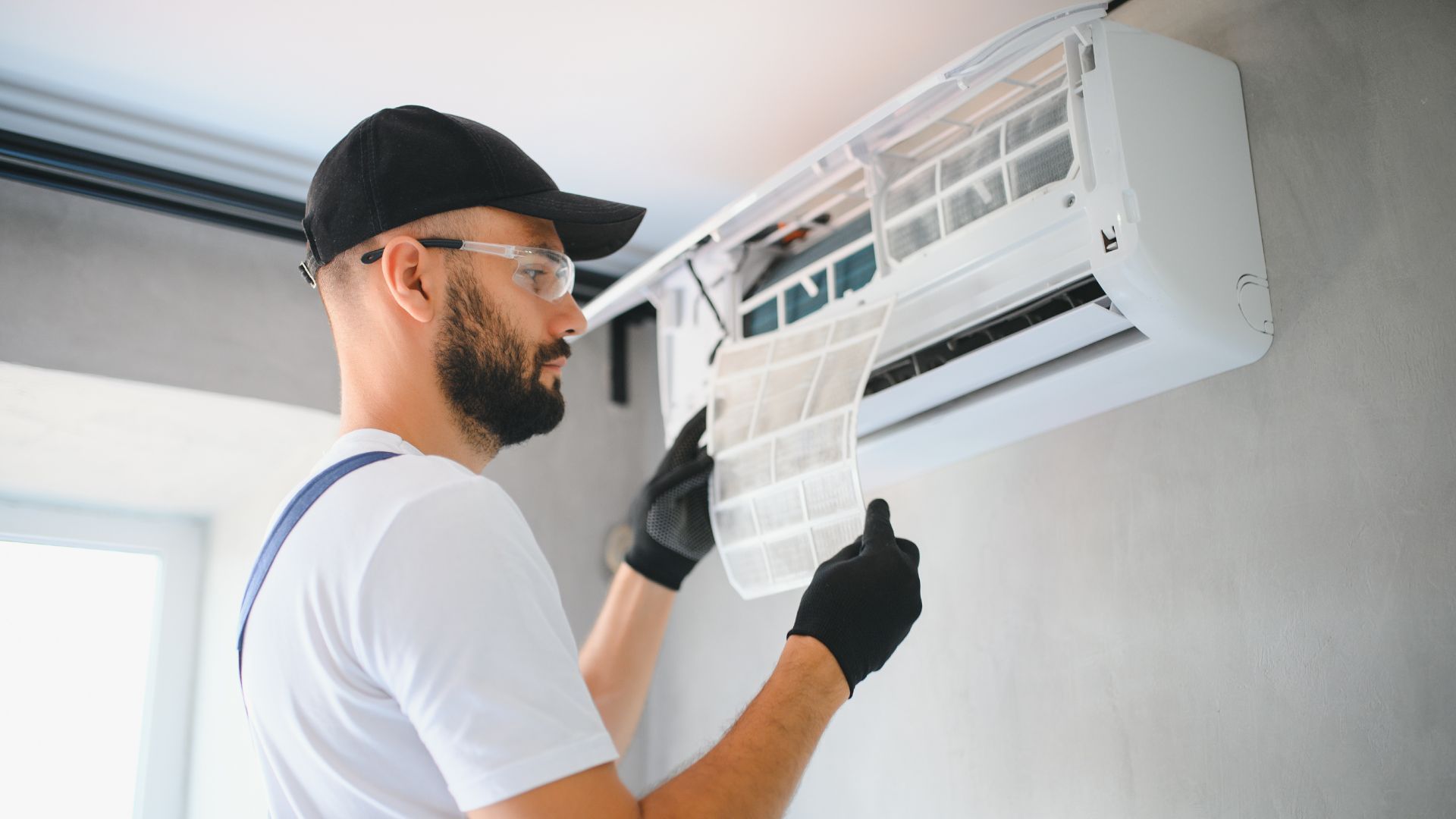
When an HVAC system fails at the worst possible moment, 24/7 HVAC repair means immediate access to trained technicians who diagnose, secure, and restore safe heating or cooling around the clock. This article explains what emergency HVAC repair entails, how the response process works in Rhode Island, which systems qualify as emergencies, and which services are offered after hours.
Readers will learn clear decision criteria for calling an emergency technician, practical safety steps to take while waiting for help, and the typical repair workflow from dispatch to temporary fixes or full restoration. The guide also maps core 24/7 services — furnace, boiler, air conditioner, and heat pump — and outlines how residential and commercial needs differ during urgent outages. Finally, you’ll see the factors that build trust in an emergency provider, including response procedures, technician qualifications, and transparent pricing practices, all tailored for Rhode Island households and businesses.
How do 24/7 emergency HVAC repairs work in Rhode Island?
24/7 emergency HVAC repair begins with a rapid intake and triage that defines the problem, identifies immediate safety risks, and determines whether a temporary measure or full repair is needed. The initial contact collects key details about symptoms and hazards, dispatches a qualified technician, and prioritizes safety actions such as shutting off equipment or evacuating in case of gas or electrical danger. This process reduces downtime and limits property risk while enabling a focused diagnostic once the technician arrives. The following numbered steps describe the common workflow, so homeowners and managers know what to expect when they call for emergency service.
The importance of a structured decision process in emergency HVAC situations is further highlighted by industry research.
•Intake and triage: caller describes symptoms and safety concerns.
• Dispatch: a nearby technician is routed with tools and parts if available.
• On-site diagnosis: technician assesses equipment, safety, and immediate fixes.
• Repair or temporary mitigation: priority is restoring safe operation or securing the site.
• Follow-up plan: parts ordering, scheduled full repair, or recommended replacements.
This stepwise approach helps occupants understand next actions and sets expectations for how technicians work to secure heating or cooling. Below is a concise table outlining the emergency response workflow for clarity.
| Phase | Typical Action | Expected Outcome |
|---|---|---|
| Intake & Triage | Gather symptom and safety info | Prioritized dispatch decision |
| Dispatch | Route technician with tools | On-site arrival and initial assessment |
| Diagnosis | Inspect system components | Identify root cause or immediate hazard |
| Temporary Mitigation | Secure system or restore minimal function | Safe environment until full repair |
| Repair Follow-up | Order parts or schedule a return visit | Complete restoration plan |
This table clarifies the sequence from first call to follow-up, helping customers stay informed and safe. Legacy Heating & Cooling provides emergency availability aligned with this workflow and emphasizes safety and clear communication during every step.
How do 24/7 emergency HVAC repairs work in Rhode Island?
Understanding what counts as an HVAC emergency helps prioritize calls and ensures life-safety situations receive immediate attention. Emergencies are conditions that create imminent health or safety risks, cause critical system failure during extreme weather, or present leak and electrical hazards that threaten property and occupants. Below is a short list of clear emergency criteria to guide decision-making.
• No heat during severe cold spells, risking occupant health or frozen pipes.
• No cooling during extreme heat events posing heat-stress risks.
• Strong smell of gas or evidence of a gas leak near heating equipment.
• Electrical burning smells, sparks, or visible smoke from HVAC components.
• Major water leaks from boilers or HVAC condensate lines causing flooding.
These criteria help callers decide when to request 24/7 intervention; when in doubt, prioritize safety and treat suspicious odours or electrical issues as emergencies.
If a hazardous condition is present, evacuate the area, shut off power or gas if safe to do so, and await professional instructions.
How quickly can Legacy Heating & Cooling respond in Rhode Island?
When an emergency call is placed, response prioritization focuses on safety and proximity rather than exact guaranteed hours, and technicians aim for rapid same-day response whenever possible. Factors that influence arrival include the caller’s location, current weather, road conditions, and parts availability; planners therefore emphasize transparent communication about expected arrival windows rather than fixed promises.
Technicians are dispatched with safety gear and diagnostic tools to perform triage and, when feasible, implement temporary measures to restore essential heating or cooling. Legacy Heating & Cooling communicates status updates during the response process to keep occupants informed and to coordinate any immediate actions needed on site.
Which 24/7 HVAC services are available in Rhode Island?
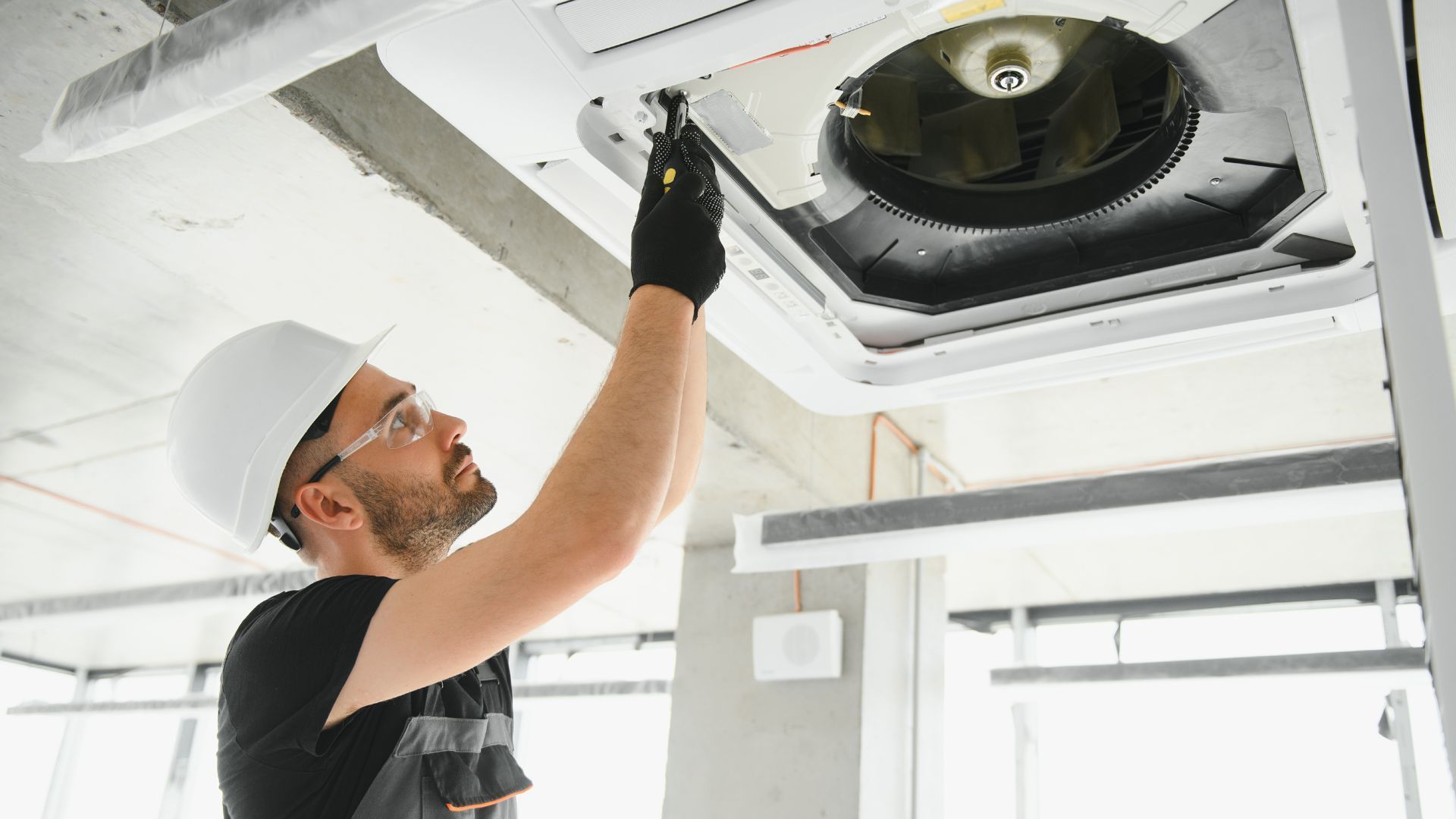
Around-the-clock emergency HVAC coverage typically includes diagnostics and repairs for furnaces, boilers, air conditioners, and heat pumps, focusing on restoring safe operation quickly. Providers trained for emergency response handle mechanical failures, control board issues, refrigerant leaks, compressor problems, ignition and pilot failures, pressure and leak containment for boilers, and reversing valve or defrost problems for heat pumps. Below is a quick comparison table that summarizes emergency coverage, typical response actions, and common symptoms to watch for by equipment type.
| Equipment | Emergency Coverage | Example Symptoms |
|---|---|---|
| Furnace | Ignition, control, safety shutdowns | No heat, loud banging, weak airflow |
| Boiler | Leak containment, pressure, and ignition | Water leaks, loss of heat, pressure spikes |
| Air Conditioner | Compressor, refrigerant, and electrical | No cooling, warm airflow, or refrigerant oil stains |
| Heat Pump | Reversing valve, defrost, electrical | No heat/cool, unusual noise, short cycling |
This table provides at-a-glance guidance about what emergency technicians can address and how symptoms map to likely issues. After-hours teams generally handle both residential and commercial equipment, though commercial systems may require additional coordination and parts sourcing to minimize operational downtime.
Furnace, boiler, AC, and heat pump repairs around the clock
Each major system presents distinct failure modes that qualify for emergency service and require specific immediate actions to reduce risk. Furnaces may experience ignition failures or combustion irregularities that present safety concerns; technicians check for carbon monoxide risk and shut down unsafe units. Boilers can develop leaks or pressure faults that threaten flooding and loss of heat for critical systems; early containment and isolation reduce damage. Air conditioners often fail during heat waves due to compressor or refrigerant loss, where temporary cooling measures or system isolation can protect occupants. Heat pumps may stop heating in winter due to defrost cycle failures or reversing valve issues; technicians assess defrost controls and electrical integrity to restore function.
Prompt mitigation and clear communication are essential to transition from emergency measures to scheduled repairs or replacement planning. If immediate repair is not possible, technicians secure the site and provide interim safety recommendations until full restoration.
Do we serve residential and commercial properties in RI?
Emergency HVAC needs arise in both homes and businesses, and providers structure responses to account for the differing priorities of each setting. Residential calls prioritize occupant safety, comfort, and prevention of property damage such as frozen pipes, while commercial responses must balance safety with business continuity, critical-system uptime, and regulatory compliance. Technicians adapt scope and tools: residential jobs often focus on immediate safety and comfort, whereas commercial work may involve coordination with facilities managers, staged repairs to minimize downtime, and documentation for operational records. Both audiences benefit from the same rapid triage approach, clear communication about expected outcomes, and follow-up plans to complete repairs or order necessary components.
Why choose Legacy Heating & Cooling for emergency HVAC in Rhode Island?
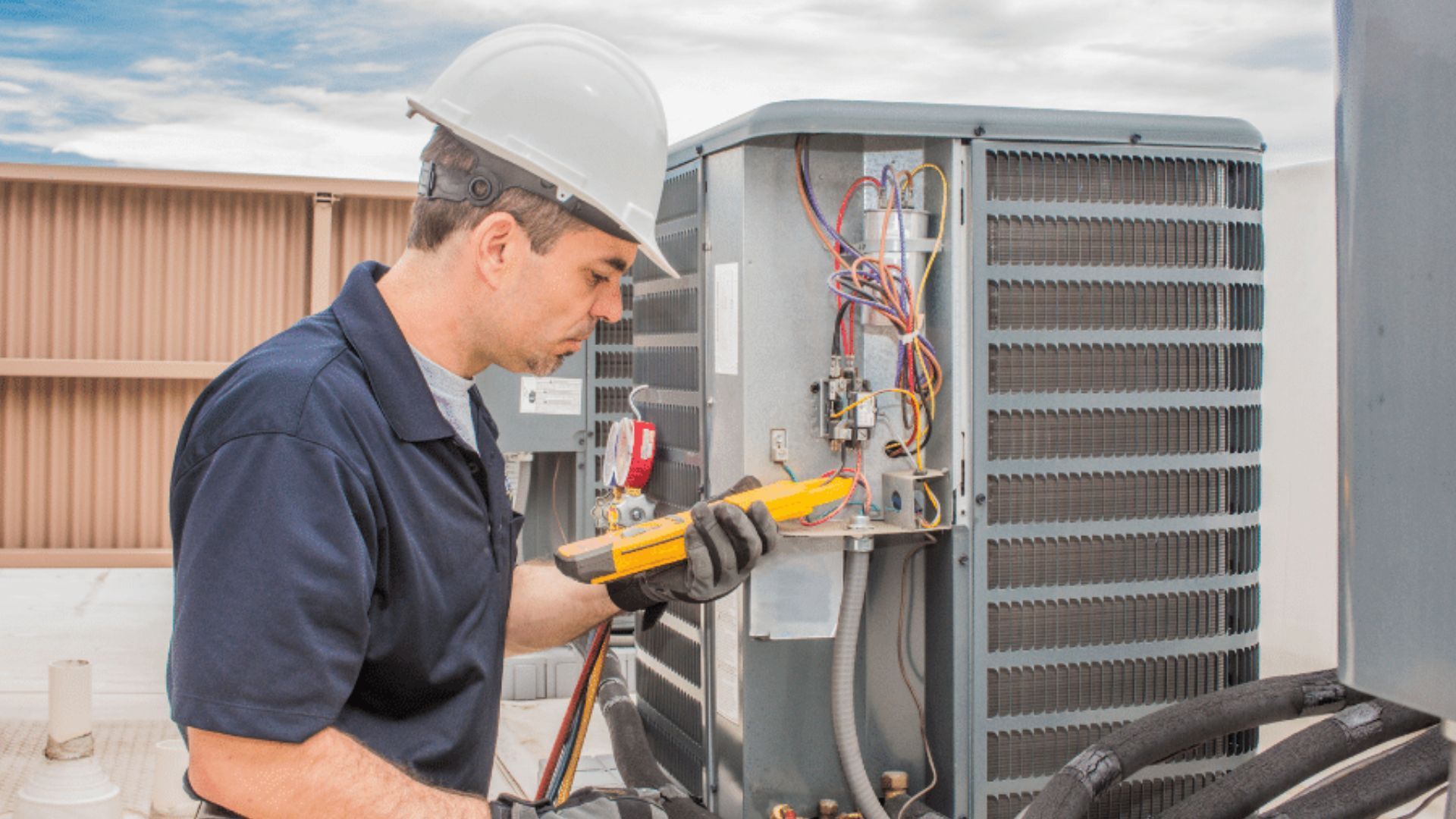
Choosing an emergency HVAC provider rests on predictable response procedures, qualified technicians, and straightforward pricing that reduces stress during urgent situations. Key trust signals include 24/7 availability, a documented safety-first triage process, and technicians with hands-on experience diagnosing and securing systems under pressure. Transparent estimates and clear explanations of temporary versus permanent repairs help customers make informed decisions during stressful events.
Below is a practical list of attributes to look for in an emergency provider.
• Rapid Triage and Dispatch: Clear intake and fast routing of technicians to prioritized safety calls.
• Qualified Technicians: Skilled personnel trained to diagnose hazards and implement safe temporary measures.
• Clear Communication: Ongoing status updates and straightforward explanations of options and costs.
• Transparent Pricing Approach: Estimates that separate diagnostic, temporary mitigation, and full repair work.
These attributes reduce uncertainty and allow occupants to focus on safety while technicians manage technical risks. Legacy Heating & Cooling follows these principles and communicates during every step to keep customers informed.
Rapid response, licensed technicians, and 24/7 availability
A true emergency service model combines around-the-clock scheduling with technicians trained in both diagnostics and safety procedures, ensuring effective on-site decisions. Technicians are prepared to perform rapid assessments, isolate hazards like gas or electrical faults, and implement temporary fixes that restore minimal safe operation until full repairs can be completed. Staffing and dispatch protocols prioritize calls that present immediate danger or severe exposure to extreme temperatures, and teams maintain toolkits and commonly needed parts to reduce delay. By focusing on trained personnel and systematic triage, emergency responders minimize both safety risks and property damage while preparing a clear plan for complete restoration.
The critical role of well-trained technicians in handling emergencies is underscored by research into essential competencies.
These operational practices form the backbone of reliable emergency HVAC support and ensure alignment between initial response and subsequent repair work.
Transparent pricing and service guarantees
Transparency during emergencies centers on explaining diagnostic fees, the nature of any temporary mitigation, and what a full repair or replacement would involve without providing misleading guarantees. Providers should offer clear estimates after on-site diagnosis, separate costs for emergency call handling versus scheduled repair work, and an explanation of any warranties or workmanship assurances tied to completed repairs.
This approach helps customers weigh options—repair now versus schedule later—while understanding cost implications and service commitments. Honest communication about parts availability, potential need for follow-up visits, and the limits of temporary fixes builds trust during urgent service events and supports informed decision-making.
These policies reduce surprises and make emergency engagements more manageable for households and businesses facing HVAC crises.