Energy-Efficient HVAC Services in Rhode Island Explained: Your Guide to Savings, Rebates, and Comfort
Energy-efficient HVAC refers to heating, ventilation, and air-conditioning systems that deliver the required indoor comfort using less energy than conventional equipment, and in Rhode Island, that means matching equipment to cold winters and humid summers to lower bills and improve comfort.
This guide explains core efficiency concepts, compares system types that work well in New England, and walks through the rebates and incentives that can make upgrades more affordable for homeowners and small businesses. Many Rhode Island residents face high winter heating loads and rising electricity costs, and choosing the right high-efficiency heat pump, furnace, or smart controls can reduce ongoing energy use while enhancing indoor air quality.
The article previews what energy-efficient HVAC means for RI homes, which systems suit the local climate, how to access federal and state rebates, and practical steps to choose, install, and maintain efficient equipment. Throughout, we'll use clear metrics like SEER, AFUE, and HSPF and mention relevant program names so you can act with confidence and pursue available savings.
What is energy-efficient HVAC in Rhode Island?
Energy-efficient HVAC in Rhode Island means systems and controls designed to provide heating and cooling with less energy by using higher-efficiency components, optimized controls, and proper system design tailored to local climate needs. Efficient systems reduce fuel or electricity consumption through better heat transfer, variable-speed compressors or fans, and smarter thermostatic control, which together lower utility bills and greenhouse gas emissions. In practical terms, homeowners see steadier indoor temperatures, fewer cold spots in winter, and reduced monthly operating costs when systems are sized and installed correctly. Understanding these mechanisms helps homeowners evaluate upgrades and prioritize solutions that deliver measurable savings and improved comfort, which leads naturally into the specific efficiency metrics to look for when comparing equipment.
Energy-efficient HVAC delivers three primary local benefits in Rhode Island:
• Lower utility bills: Better equipment and controls reduce seasonal heating and cooling energy use and cost.
• Improved comfort: More consistent temperatures and humidity control reduce drafts and cold spots.
• Environmental impact: Less energy use lowers household carbon emissions and supports electrification goals.
These benefits create a strong case for evaluating specific equipment ratings next, since metrics like SEER, AFUE, and HSPF indicate expected performance and help compare options.
Key efficiency concepts for RI homes: SEER, AFUE, and HSPF
SEER, AFUE, and HSPF are standard metrics used to compare HVAC equipment, and each measures efficiency under different operating conditions so homeowners can match technology to their needs. SEER (Seasonal Energy Efficiency Ratio) quantifies cooling efficiency over a season — think of it like miles per gallon for air conditioning — where higher numbers mean less electricity per cooling output. AFUE (Annual Fuel Utilization Efficiency) applies to furnaces and boilers and indicates the percentage of fuel converted to heat, with higher AFUE meaning less wasted fuel. HSPF (Heating Seasonal Performance Factor) measures a heat pump's seasonal heating efficiency; in cold climates like Rhode Island, higher HSPF and cold-climate certifications signal better winter performance. Understanding these numbers helps homeowners prioritize systems and supports decisions about rebate eligibility and long-term operating cost savings.
Why RI homeowners should consider energy-efficient HVAC
Rhode Island homeowners should consider energy-efficient HVAC because upgrading equipment and controls addresses both immediate comfort issues and long-term cost exposure from fuel and electric rates. Efficient systems reduce the frequency and severity of household temperature swings and improve humidity control, which protects building materials and furnishings while enhancing indoor air quality. Rebates and federal tax credits can substantially lower upfront costs for qualifying systems, improving the payback profile and accelerating net savings. For households weighing retrofit complexity, efficiency upgrades often increase property value and appeal to buyers focused on lower operating expenses and environmental responsibility, which makes efficiency upgrades a strategic home investment.
Which energy-efficient HVAC systems are best for the Rhode Island climate?
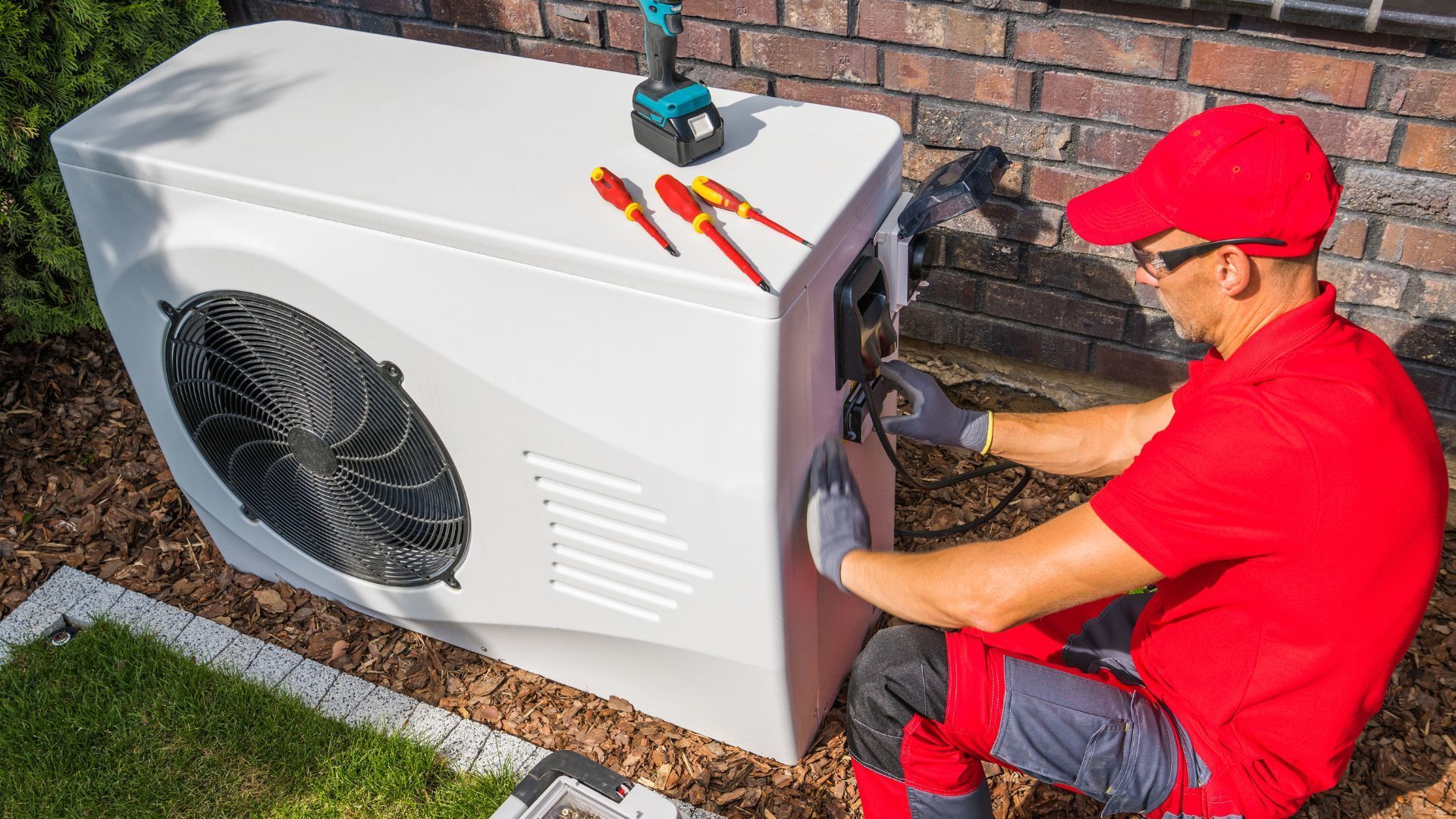
Rhode Island's cold winters and moderate-to-humid summers make cold-climate heat pumps, ductless mini-splits, and well-installed high-efficiency fossil systems practical options; each has trade-offs in cost, retrofit complexity, and electrification benefit. Heat pumps — especially modern cold-climate air-source units and geothermal systems — deliver efficient heating and cooling with less on-site combustion and can substantially reduce carbon emissions when paired with clean electricity. High-efficiency furnaces or condensing boilers still make sense where ductwork, fuel availability, or retrofit constraints limit heat pump adoption, and smart thermostats and controls boost efficiency across all system types. Below is a compact comparison to highlight typical suitability for Rhode Island properties.
The table below compares common system types by efficiency, climate notes, cost range, and ideal properties.
| System Type | Efficiency / Rating | Typical Cost Range | Best Use Case |
|---|---|---|---|
| Air-source heat pump | HSPF high / SEER high; look for cold-climate certification | Moderate to high (installation-dependent) | Homes with existing ductwork or willing to retrofit for electrification |
| Ductless mini-split | High SEER/HSPF per zone; efficient for selective areas | Moderate per zone | Older homes without ducts or for room-by-room control |
| Geothermal heat pump | Very high COP year-round | High upfront, low operating costs | New construction or major retrofits with yard access |
| High-efficiency furnace/boiler | AFUE 90%+ for condensing units | Low to moderate | Homes with existing gas infrastructure or challenging heat pump retrofits |
This comparison shows heat pumps are generally best for electrification and efficiency in Rhode Island, while high-efficiency combustion systems remain viable where electrification is constrained. The next subsections describe heat pump varieties and when to choose high-efficiency furnaces or smart controls.
Heat pumps: air-source, ductless mini-splits, and geothermal options in RI
Air-source heat pumps now perform well in colder climates when models meet cold-climate criteria and have higher HSPF ratings and variable-speed compressors to maintain capacity at low temperatures. Ductless mini-splits offer efficient zone control with minimal ductwork impact, making them ideal for older Rhode Island homes where adding ducts would be costly or disruptive. Geothermal (ground-source) heat pumps provide the highest seasonal efficiency and stable performance but require higher upfront site work and are best for major remodels or new construction. For many RI homeowners, choosing between ducted and ductless depends on existing duct condition, installation cost, and the goal of full-home electrification versus targeted efficiency improvements.
High-efficiency furnaces, boilers, and smart thermostats for RI homes
High-efficiency furnaces and condensing boilers with AFUE ratings above 90% continue to be practical where natural gas or oil service is present and heat-pump conversion is impractical, and modern condensing units capture additional heat from exhaust to improve efficiency. Smart thermostats further increase system efficiency by enabling schedules, adaptive learning, and remote control, and they can integrate with zoning strategies to reduce wasted conditioning in unoccupied areas. Key smart features to prioritize include programmable schedules, geofencing or occupancy sensing, and compatibility with multi-stage systems; these controls deliver savings by matching output to real needs rather than constant setpoints. Considering both equipment and controls together yields the best outcomes for comfort and ongoing energy reduction.
How can Rhode Island rebates and incentives reduce HVAC upgrade costs?
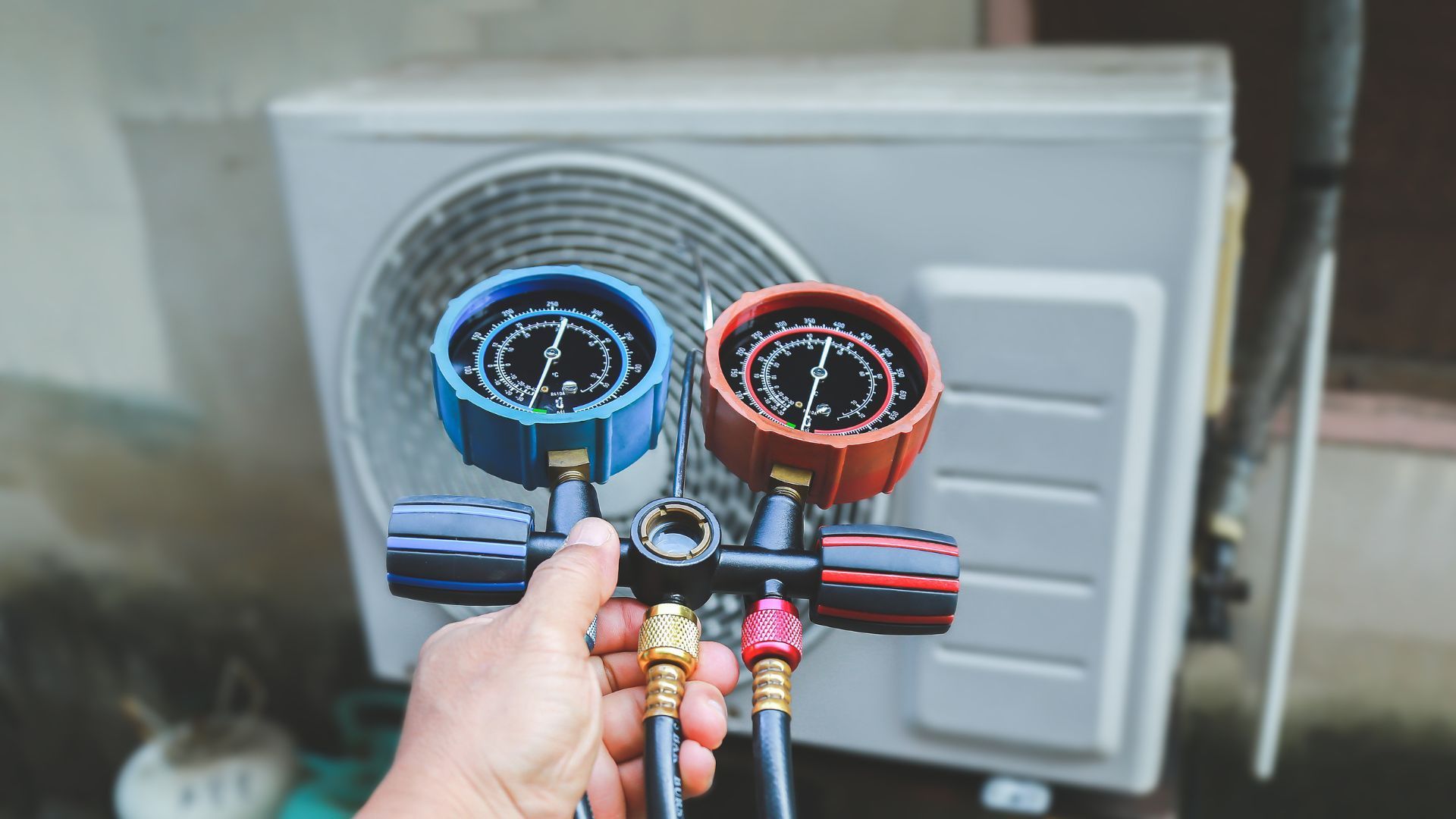
Federal tax credits, ENERGY STAR program qualifications, and state-level initiatives like Clean Heat Rhode Island and utility rebates can significantly lower upfront costs for qualifying energy-efficient HVAC equipment, making higher-efficiency choices more attainable for many homeowners. Eligibility commonly depends on certification of equipment (for example, ENERGY STAR or cold-climate listings), use of qualified installers, and proper documentation submitted during the rebate or tax-credit process. Typical steps to secure incentives include verifying eligibility before purchase, obtaining pre-approval when required, ensuring the installer documents model numbers and installation details, and retaining receipts for any post-installation verification. These programs together form the financial pathway that often makes electrification or high-efficiency retrofits economically viable for Rhode Island residents.
Below is a practical mapping of common incentive sources to eligible equipment types and example incentive ranges, intended to guide early planning and help homeowners identify the right next steps.
| Program Source | Eligible Equipment | Typical Incentive / Example | Next Step |
|---|---|---|---|
| Federal tax credits (IRA) | Heat pumps, insulation, and some electrification measures | Example: percent-of-cost credits or caps (varies) | Check current federal guidance and document purchases |
| Clean Heat Rhode Island | Cold-climate heat pumps and electrification services | Ranges vary by equipment and income eligibility | Contact program administrators for pre-approval options |
| Rhode Island Energy (utility) | High-efficiency heat pumps, thermostats, and HVAC upgrades | Example: rebates per ton or per unit (varies) | Confirm eligible models and installer requirements before contracting |
Federal tax credits and ENERGY STAR criteria
Federal tax credits under recent legislation may cover a portion of costs for qualifying heat pumps and related measures, and eligibility typically requires compliant equipment and documented expenditures, which can reduce net project cost for homeowners who file eligible tax returns.
ENERGY STAR criteria, including cold-climate performance tiers for heat pumps, often serve as the technical benchmark for rebate programs and tax-credit qualification, meaning homeowners should prioritize ENERGY STAR–listed models when seeking incentives. Verifying both the current federal tax code and ENERGY STAR listings before selecting equipment helps avoid surprises, and working with installers familiar with documentation requirements streamlines the application and claims process for credits and rebates.
Clean Heat Rhode Island and RI Energy rebates: eligibility and process
Clean Heat Rhode Island and Rhode Island Energy programs offer targeted incentives to encourage heat pump adoption and electrification, with eligibility commonly tied to equipment certification, installer qualifications, and sometimes household income or property type conditions. Typical program steps require homeowners to confirm equipment model eligibility, obtain quotes from approved or experienced installers, and submit pre-approval or reservation requests when required; after installation, documentation and inspection may be required to receive the rebate. Homeowners should treat pre-installation verification as a planning priority, since installing non-qualified models or skipping required paperwork can jeopardize incentives. Taken together, state and utility programs substantially reduce upfront costs for many Rhode Islanders choosing efficient heating and cooling options.
How to choose, install, and maintain energy-efficient HVAC in Rhode Island?
Choosing the right system starts with a clear decision framework that weighs home size, existing ductwork, retrofit complexity, electrification goals, and budget, and it continues through installer selection, permitting coordination, and post-installation verification to preserve efficiency over time. Proper planning begins with a professional load calculation to size equipment correctly and includes questions about the installer's experience with cold-climate heat pumps, familiarity with rebate paperwork, and warranty terms. Maintenance is equally critical: annual tune-ups, timely filter replacement, duct sealing where applicable, and controls calibration keep systems operating near rated efficiency and protect projected savings.
When evaluating installers and planning an HVAC project in Rhode Island, consider this checklist:
• Verify licensing and insurance: Ensure the installer is properly licensed and carries liability insurance for HVAC work.
• Request references and portfolio: Ask for recent local installations and customer references to assess quality.
• Confirm load calculations and sizing: Require a Manual J load calculation to justify equipment selection.
• Ask about rebate assistance: Choose installers who will help document eligibility and submit paperwork.
• Clarify timelines and disruption: Agree on a project schedule and steps to minimize household impact.
• Review warranties and post-install support: Ensure parts and labor warranties are documented and understood.
Hiring a qualified RI installer and planning the project
Hiring a qualified installer requires asking targeted questions about licensing, local references, experience with cold-climate heat pumps, and the company’s process for completing rebate paperwork and documentation. Ensure the installer performs a load calculation, inspects ductwork for leakage or sizing issues, and outlines a clear timeline and disruption plan for the household, including access needs and expected staging. Verify the installer will provide itemized documentation of installed equipment models and serial numbers for rebate and tax-credit claims, and clarify warranty coverage for both parts and labor to protect your investment. These steps reduce the chance of performance issues and create a smoother handoff to a maintenance plan that preserves efficiency.
Best practices for installation and ongoing maintenance
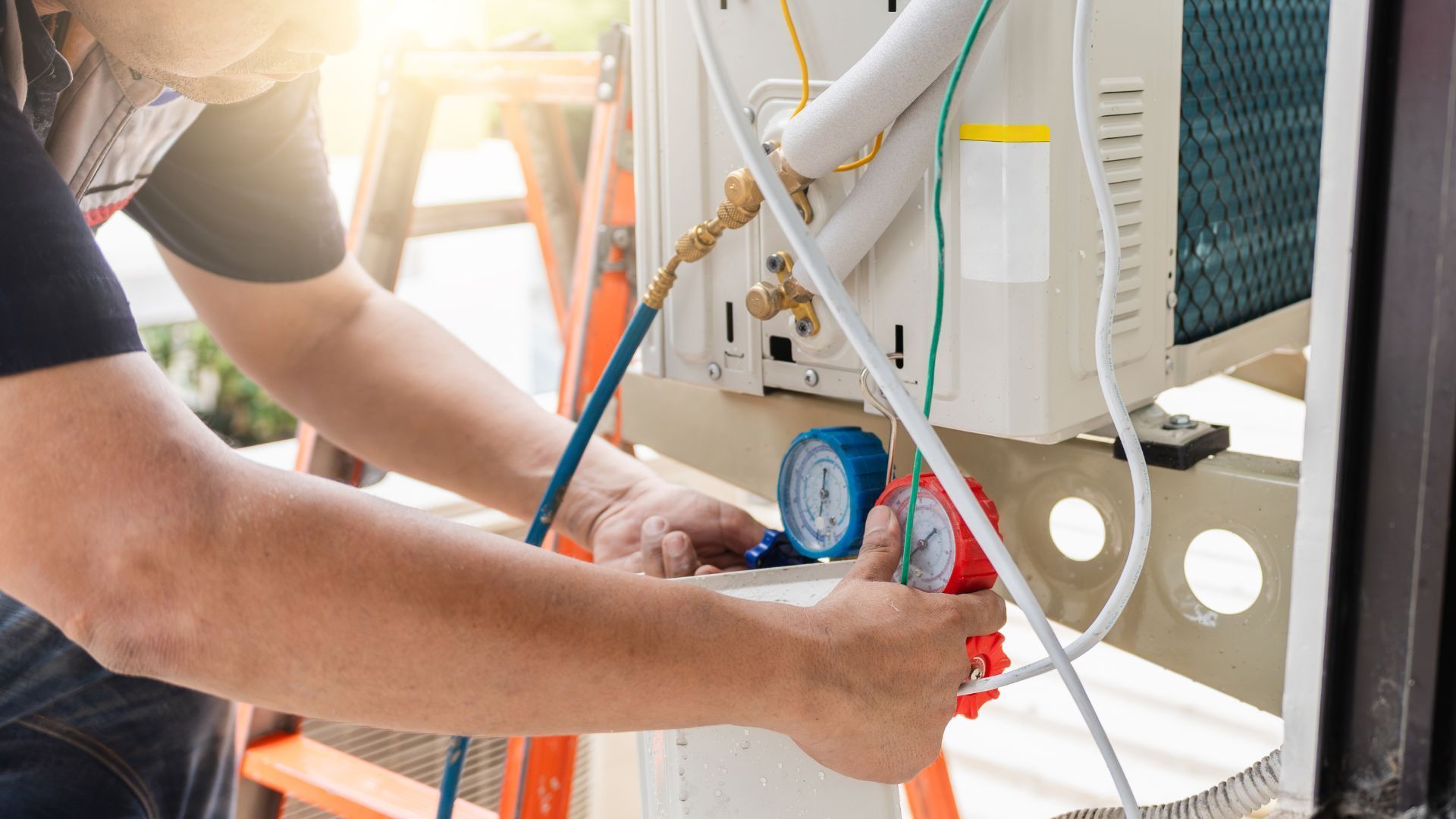
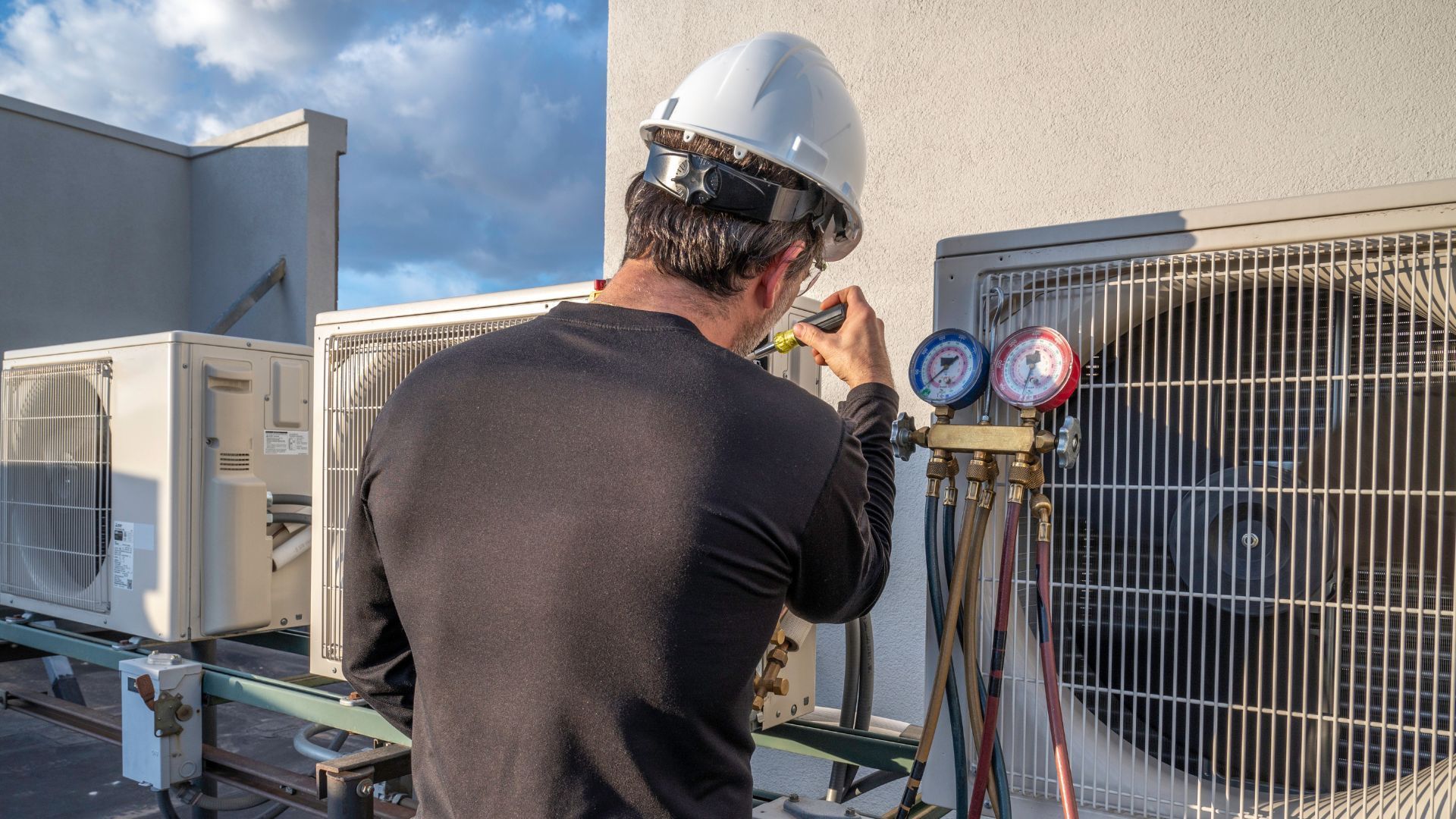
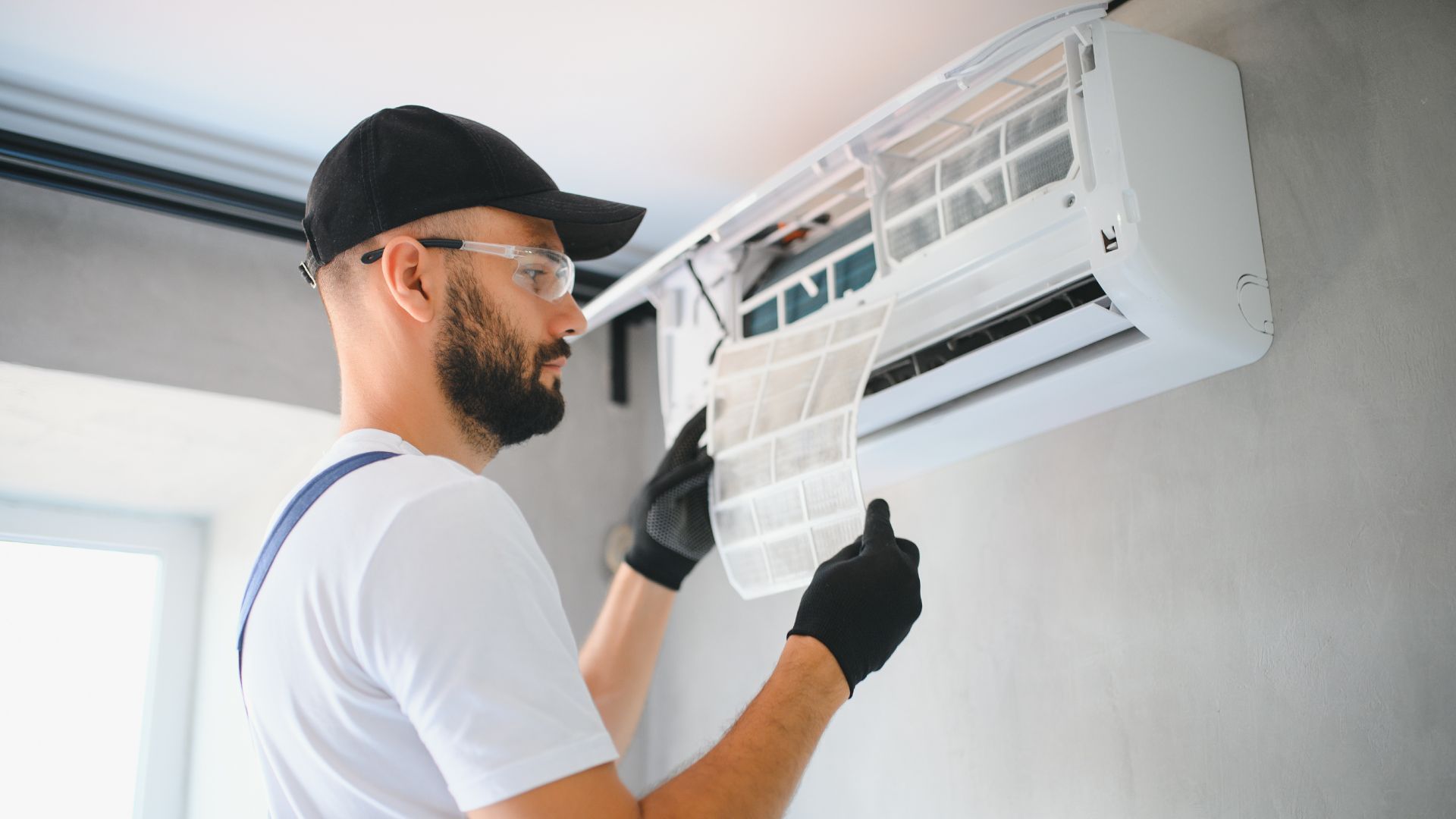
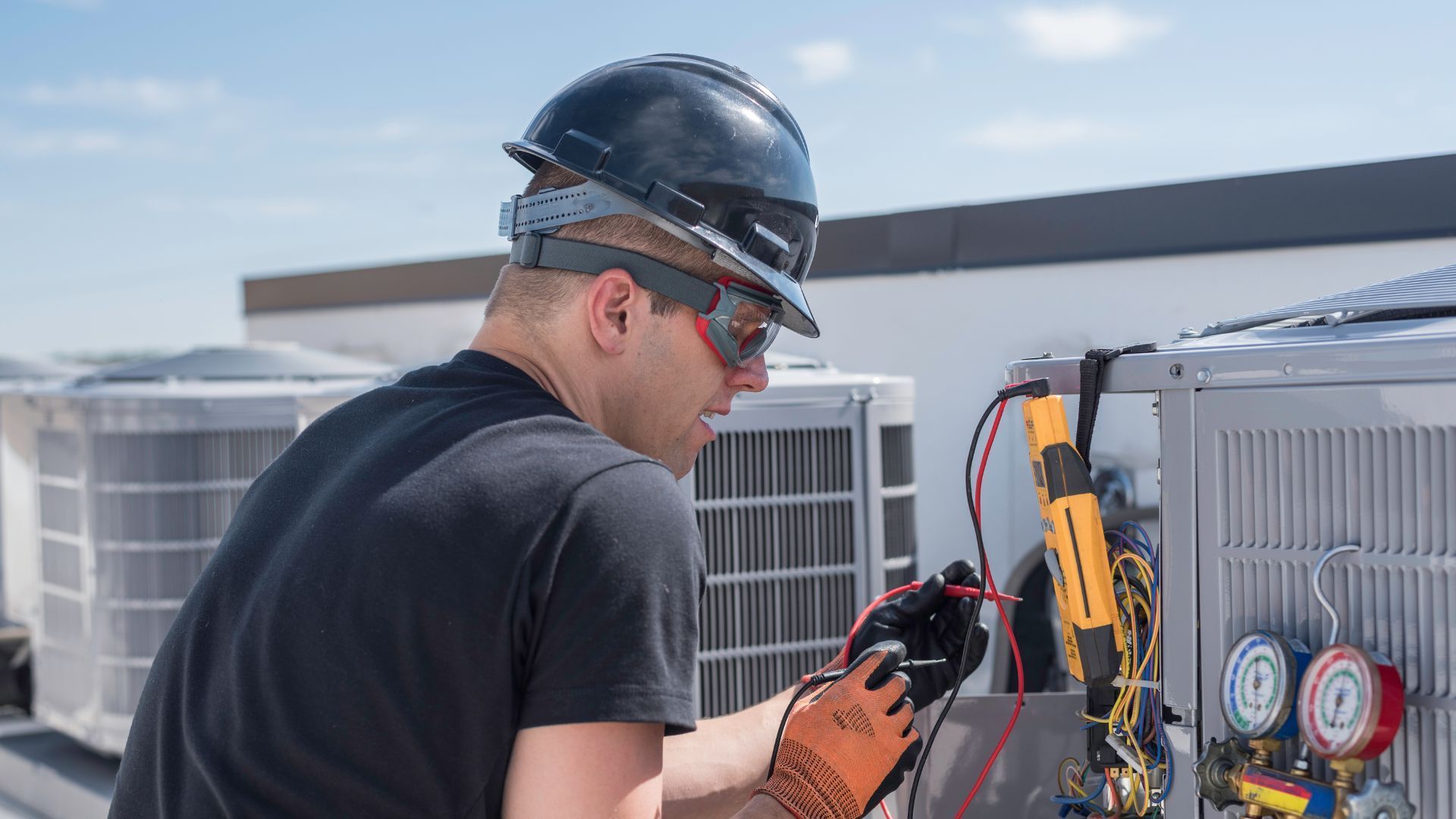
Proper installation checks like correct sizing, duct sealing, right refrigerant charge, and verified airflow are essential to realize rated efficiencies and avoid premature equipment wear, and installation teams should document these commissioning steps. Ongoing maintenance includes annual professional tune-ups, replacing filters on a regular schedule, monitoring system controls for proper sequencing, and checking outdoor units for clearance and debris, all of which sustain efficiency and indoor air quality. Homeowners should also monitor post-installation energy use and compare it to pre-upgrade baselines to confirm expected savings and to detect anomalies that suggest service is needed. Finally, keep a maintenance log and retain receipts and installation documentation for warranty and rebate verification purposes.