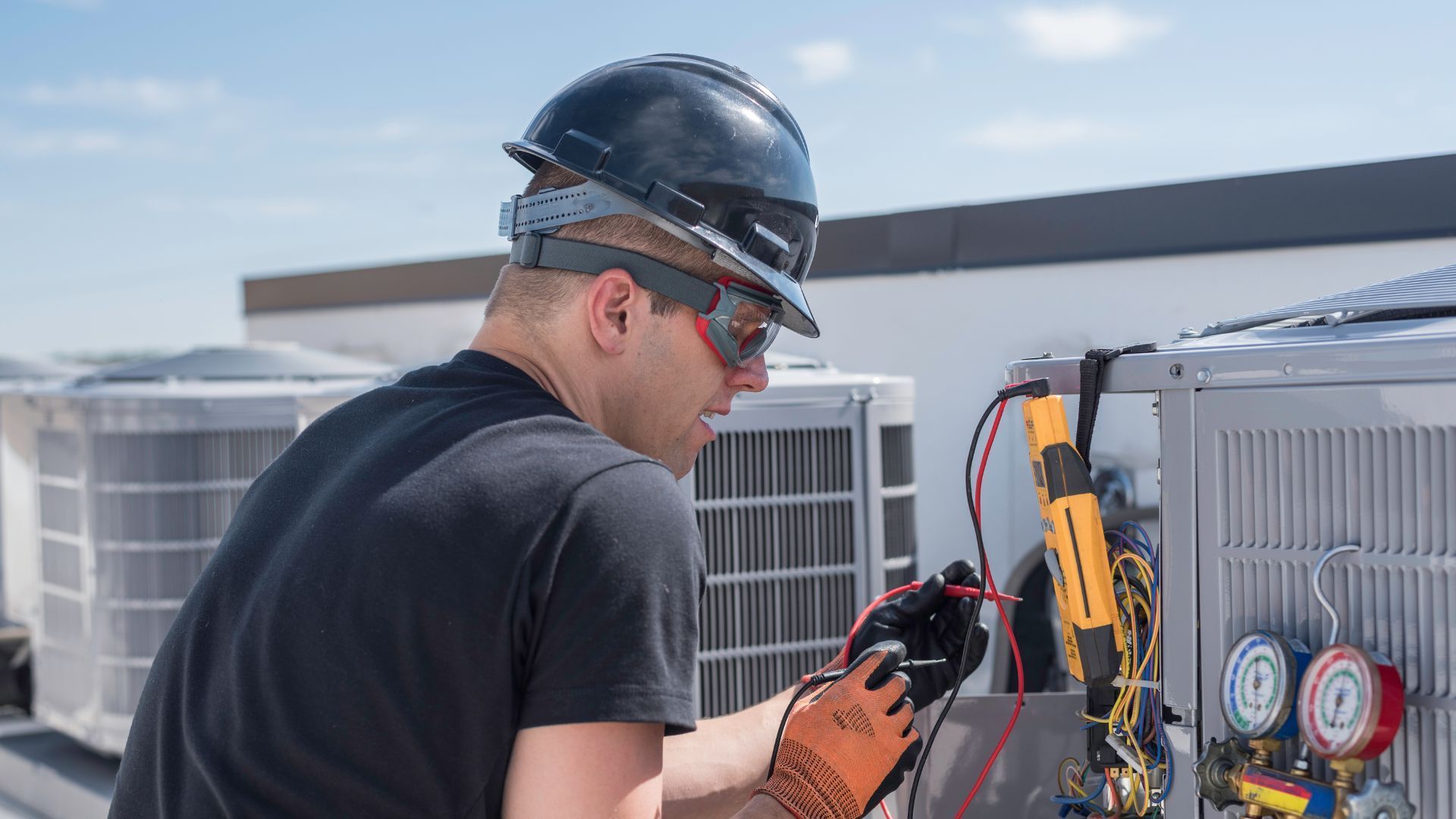
What Homeowners Should Know about HVAC Replacement in Rhode Island Costs and Benefits2
Replacing an HVAC system is a significant investment for homeowners in Rhode Island. Understanding both the costs and the benefits before making a decision ensures that you make an informed choice that balances comfort, efficiency, and long-term value. Rhode Island’s seasonal climate, with cold winters and humid summers, puts added demands on heating and cooling systems, making timely replacement an important consideration.
Many homeowners struggle to decide whether to repair an existing system or invest in a full replacement. Costs, energy efficiency, system reliability, and improved home comfort are all factors that should be evaluated. This guide explores what Rhode Island homeowners need to know about HVAC replacement, including typical costs, long-term benefits, and how to plan for a smooth installation.
Understanding the Cost of HVAC Replacement in Rhode Island
The cost of HVAC replacement can vary widely depending on system size, home layout, type of equipment, and installation complexity. In Rhode Island, factors such as older home construction, ductwork condition, and regional labor rates can also influence pricing. On average, homeowners can expect to pay between $5,000 and $12,000 for a complete system replacement, though high-efficiency or multi-zone systems can cost more.
Additional factors that impact cost include:
- Size and square footage of the home
- Type of heating and cooling system (central air, heat pump, furnace, etc.)
- Required ductwork modifications or upgrades
- Smart thermostat and zoning system integration
- Labor and regional market rates
While the upfront investment may seem high, replacing an outdated HVAC system often leads to significant long-term savings through improved efficiency and reduced maintenance costs.
Benefits of HVAC Replacement for Rhode Island Homeowners
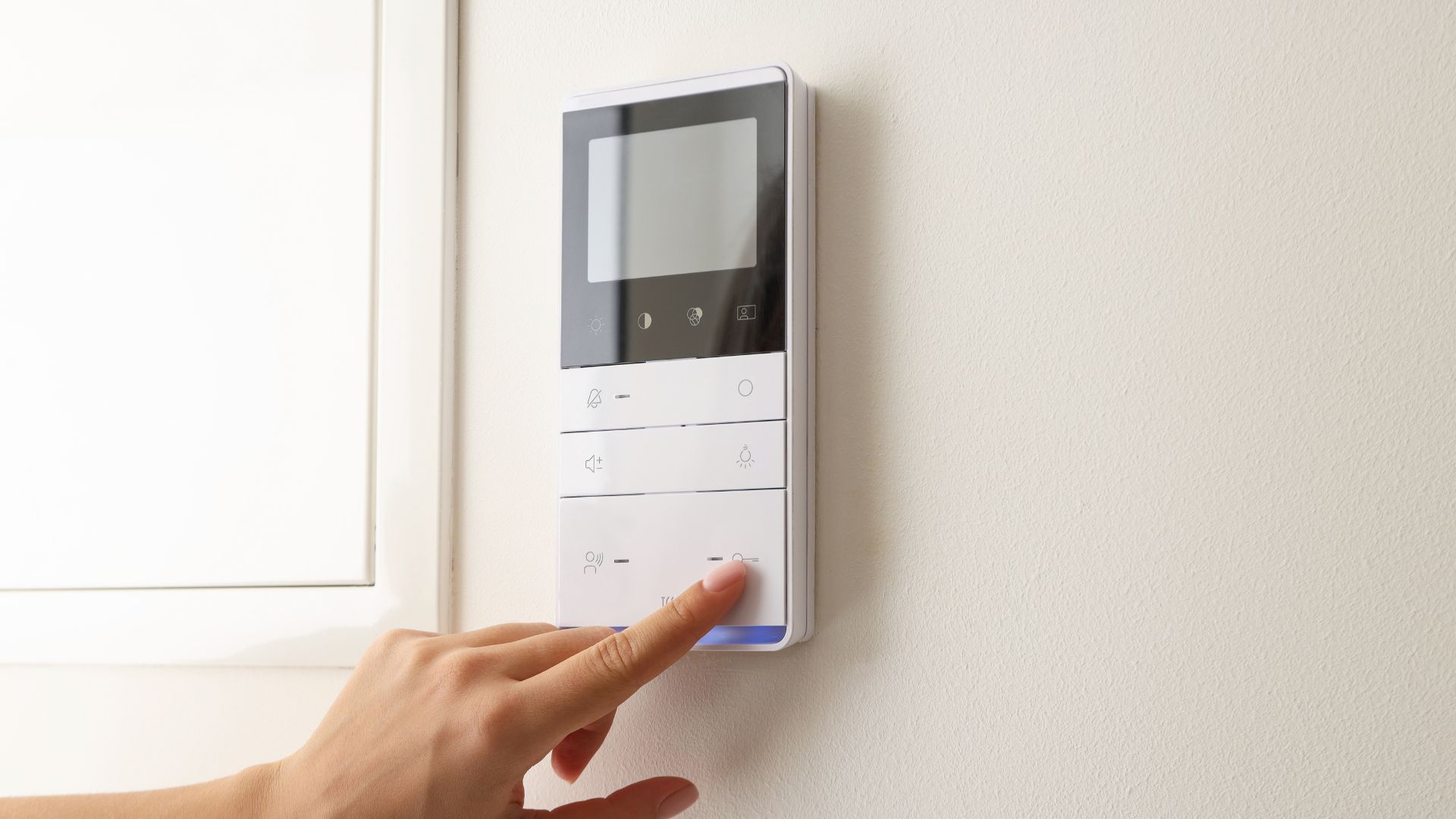
Investing in a new HVAC system provides benefits that go beyond just keeping your home comfortable. Modern systems are designed for greater efficiency, better reliability, and enhanced indoor air quality. Key advantages include:
- Energy efficiency and lower utility bills: Modern systems consume less energy, reducing heating and cooling costs during Rhode Island’s extreme seasonal temperatures.
- Improved comfort: Properly sized systems distribute air evenly, maintaining consistent temperatures throughout the home.
- Reduced maintenance and repair costs: A new system requires fewer repairs and is covered by manufacturer warranties.
- Enhanced indoor air quality: Advanced filtration and humidity control improve air quality, especially during long winters.
- Increased home value: Energy-efficient HVAC systems are attractive to buyers and can increase resale value.
For Rhode Island homeowners, these benefits are especially valuable during the extended heating season, when reliable performance is essential.
Signs That HVAC Replacement May Be Needed
Knowing when to replace your HVAC system can save money, prevent emergencies, and improve comfort. Common signs include:
- Systems over 15 years old
- Rising energy bills without increased usage
- Frequent repairs or costly maintenance
- Inconsistent temperatures or poor airflow
- Unusual noises or odors during operation
- Poor indoor air quality or excessive dust
If your system exhibits one or more of these signs, it is worth scheduling a professional HVAC evaluation in Rhode Island to determine if replacement is the most cost-effective solution.
HVAC Repair vs Replacement Cost Comparison
| Factor | HVAC Repair | HVAC Replacement |
|---|---|---|
| Upfront Cost | Lower short-term expense | Higher initial investment |
| Long-Term Cost | Frequent repairs can add up | Reduced maintenance and repair expenses |
| Energy Efficiency | Limited improvements | Modern systems improve efficiency |
| System Lifespan | Short-term extension | Long-term solution, 15–20 years |
| Winter Reliability | May fail under high demand | Reliable performance in cold weather |
| Comfort | May not resolve uneven temperatures | Improved air distribution and temperature control |
| Home Value | Minimal impact | Can increase resale value |
Understanding Long-Term Financial Benefits
While the initial cost of HVAC replacement may seem high, the long-term financial benefits often outweigh the upfront investment.
Some key advantages include:
- Lower energy bills thanks to high-efficiency equipment
- Fewer unexpected repair costs
- Potential tax incentives or rebates for energy-efficient upgrades
- Increased property value for future resale
For homeowners planning to stay in their Rhode Island homes long-term, investing in replacement rather than repeated repairs often provides the best return.
Factors That Influence HVAC Replacement Costs
Several factors can influence the total cost of replacing an HVAC system in Rhode Island:
- System type: Central air conditioning and furnaces, heat pumps, and multi-zone systems vary in price and efficiency.
- Home size: Larger homes require bigger systems and more labor, increasing cost.
- Ductwork condition: Existing ducts may need repair or replacement, adding to the project cost.
- Installation complexity: Older homes or homes with limited access may require additional labor or modifications.
- Brand and technology: High-efficiency systems, smart thermostats, and zoning can increase upfront costs but improve long-term savings.
Working with a trusted HVAC contractor in Rhode Island ensures accurate cost estimates and proper system sizing for your home.
Cost vs Benefit Overview for Homeowners
| Cost Consideration | Short-Term Repair | Full Replacement |
|---|---|---|
| Upfront Expense | Lower | Higher |
| Annual Energy Costs | Potentially higher | Lower |
| Maintenance | Frequent repairs needed | Minimal for first 10+ years |
| Comfort | May not fully resolve issues | Improved home comfort and airflow |
| Home Value | Limited impact | Increases property value |
| Winter Reliability | Less predictable | Consistent heating during cold months |
Why Timing Matters for HVAC Replacement in Rhode Island
Scheduling replacement before peak winter demand provides several advantages:
- Faster installation and contractor availability
- Avoiding emergency repairs during freezing temperatures
- Smoother planning and fewer disruptions
- Ensuring your home is warm and energy-efficient before cold weather arrives
Fall is often the best time to schedule a replacement, giving homeowners control over the project timeline.
Ready to Schedule Your HVAC Replacement
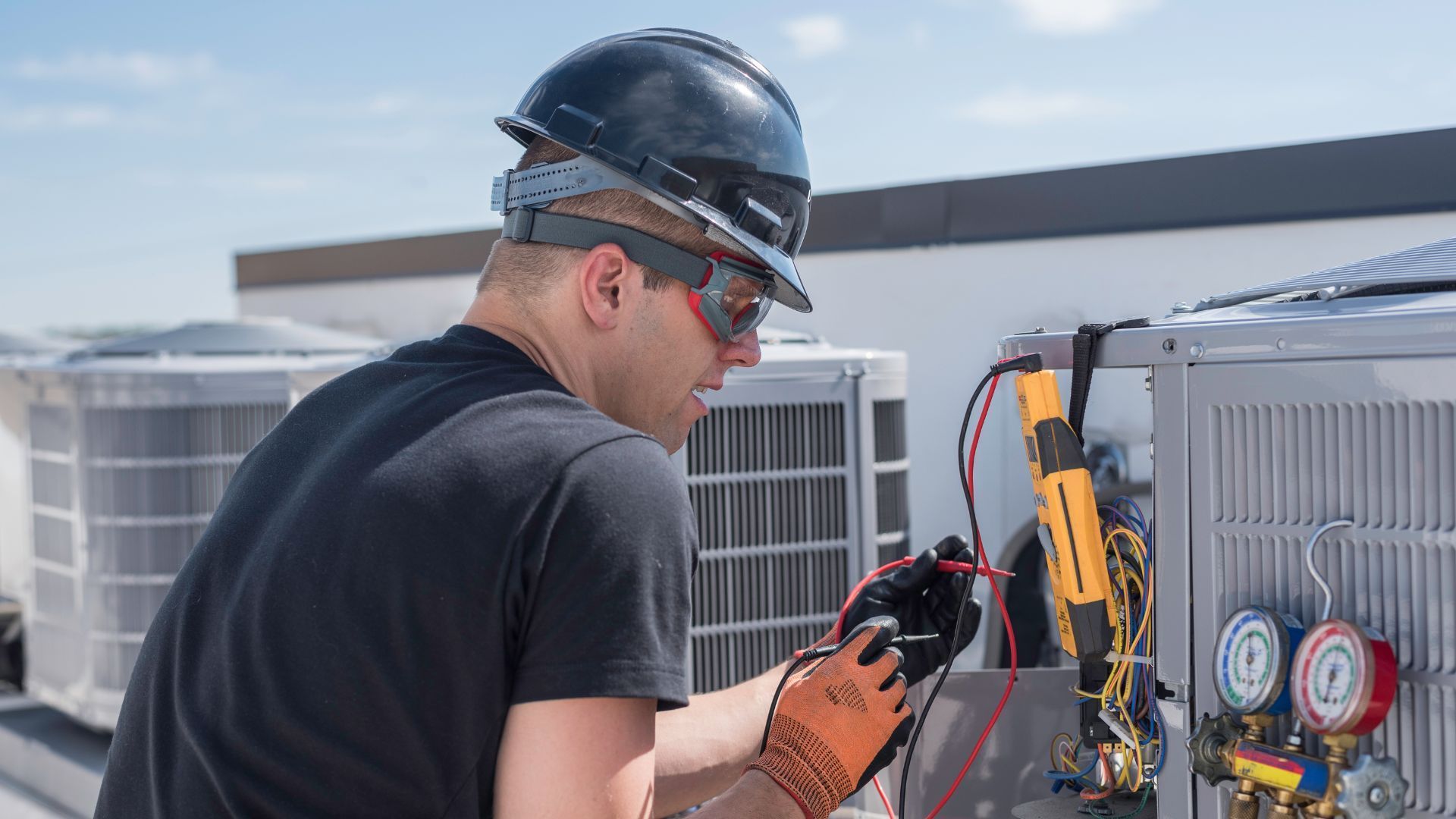
If your home is showing signs that a system replacement may be needed, now is the perfect time to act. Legacy HVAC provides professional evaluations, honest recommendations, and full-service installation across Rhode Island. Their team ensures that your home receives the right system for your needs and climate, improving efficiency, comfort, and reliability.
Contact Legacy HVAC to schedule a consultation and prepare your home for a comfortable and energy-efficient winter.
Frequently Asked Questions About HVAC Replacement in Rhode Island
How Much Does HVAC Replacement Typically Cost?
Costs vary depending on home size, system type, and installation complexity. Average full replacements range from $5,000 to $12,000, with high-efficiency systems potentially costing more.
What Are the Main Benefits of Replacing an Old HVAC System?
New systems provide energy efficiency, improved comfort, reduced maintenance costs, better air quality, and increased home value.
When Should I Replace My HVAC System?
Replacement is often recommended for systems older than 15 years, those requiring frequent repairs, or units that struggle to maintain consistent temperatures.
Can Replacing My HVAC System Lower Energy Bills?
Yes. Modern high-efficiency systems consume less energy and can significantly reduce heating and cooling costs.
How Long Does the Replacement Process Take?
Most installations are completed in one to two days, depending on the complexity of the home and system type.
Does HVAC Replacement Improve Indoor Air Quality?
Yes. Modern systems include advanced filtration, humidity control, and better airflow, improving indoor air quality.