Energy-Efficient HVAC Installation Benefits in Rhode Island
Energy-efficient HVAC installation in Rhode Island means choosing heating, ventilation, and air-conditioning systems that deliver the same or better comfort while using substantially less energy than conventional equipment. In Rhode Island’s mixed coastal and New England climate, modern heat pumps, high-efficiency furnaces, and smart controls reduce fuel consumption and lower household energy bills while also improving indoor air quality and comfort year-round.
This article explains the core benefits of energy-efficient HVAC in Rhode Island, quantifies likely savings, outlines available rebates and tax incentives, profiles common system types for local homes, and describes what homeowners should expect during installation and long-term maintenance. Readers will learn practical steps for evaluating upgrades, how to compare performance metrics such as SEER and AFUE, and where to seek certified installers and program support. By the end, you’ll have clear next steps for getting a home energy assessment, estimating potential savings, and preparing to apply for Rhode Island-specific incentives.
What are the core benefits of energy-efficient HVAC in Rhode Island?
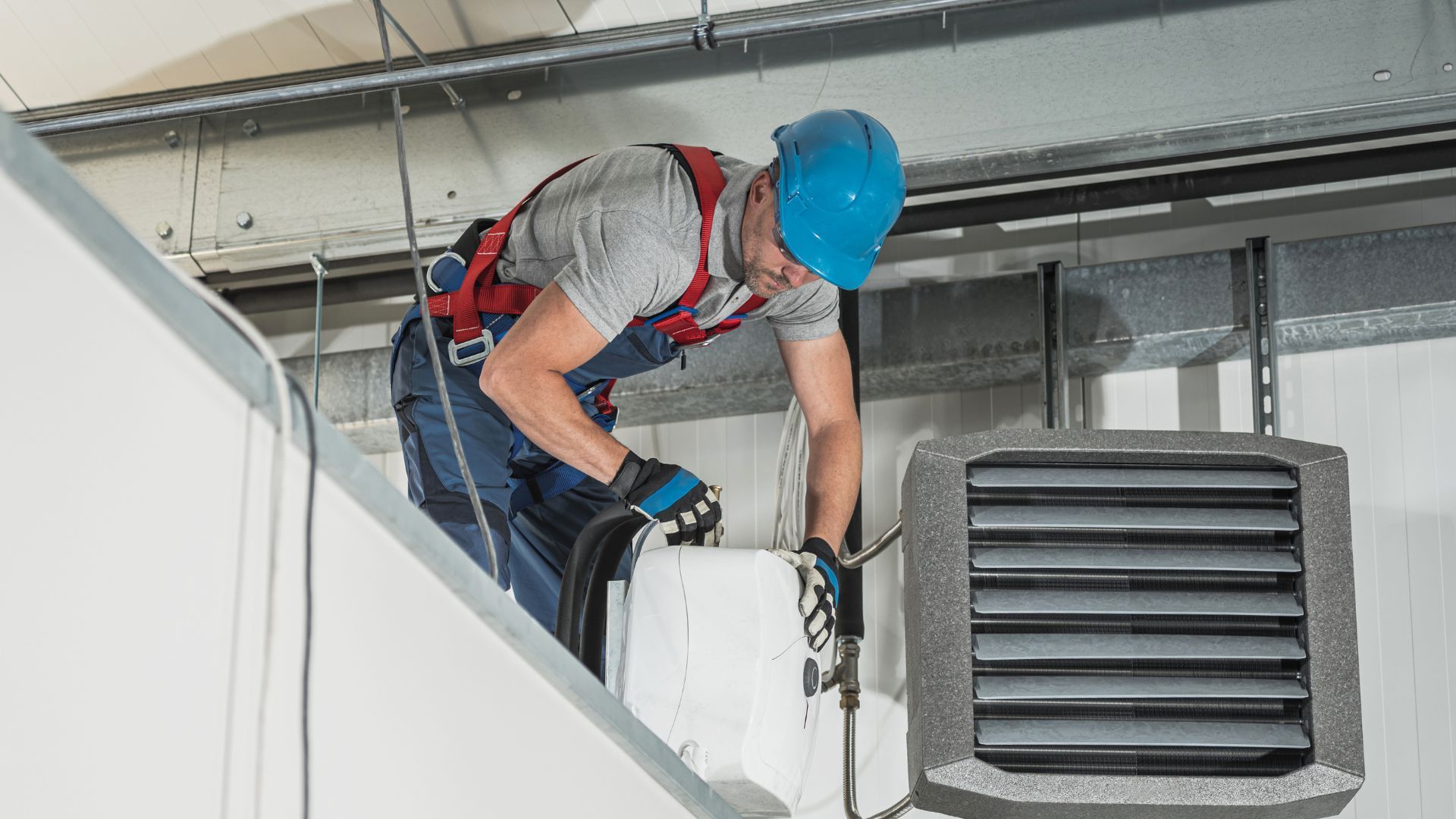
Energy-efficient HVAC systems reduce energy use by improving the conversion of fuel or electricity into conditioned air and by minimizing losses across components such as compressors, condensers, air handlers, thermostats, and ductwork. The mechanism behind savings includes higher seasonal efficiency ratings (SEER/HSPF for heat pumps, AFUE for combustion equipment), variable-speed compressors and fans that match output to demand, and improved controls that avoid over-conditioning. These technical improvements translate into measurable benefits for Rhode Island homeowners: lower monthly energy bills, more consistent indoor temperatures, reduced humidity problems in summer, improved indoor air quality through upgraded filtration and ventilation, and lower home carbon footprints. Understanding these benefits prepares homeowners to prioritize upgrades that align with local rebates, climate considerations, and long-term property value enhancements.
Different technologies deliver distinct financial and comfort advantages across housing types, and comparing typical outcomes clarifies which upgrades yield the best return on investment for Rhode Island conditions. The next paragraph presents a compact comparison of common technologies and the savings they typically generate so you can match options to your home and budget.
Different HVAC choices yield measurable differences in annual energy costs and comfort outcomes. Below is a concise comparison showing typical energy savings by system type and a representative annual dollar estimate for a median Rhode Island household replacing an older system with an energy-efficient option.
| System Type | Typical Annual Energy Savings | Representative Annual $ Savings |
|---|---|---|
| Air-source heat pump (cold-climate) | 25–40% reduction vs. older electric resistance or oil systems | $400–$1,200 |
| Ductless mini-split heat pump | 20–35% reduction for targeted zones | $250–$900 |
| High-efficiency furnace/boiler (AFUE 90%+) | 10–25% reduction vs. older combustion units | $200–$700 |
This comparison highlights that heat pumps often deliver the largest percent savings in Rhode Island’s mixed winter/summer climate, while high-efficiency combustion equipment still benefits homes where heat pumps are not feasible. The table shows typical ranges rather than guarantees, and actual savings depend on home envelope, fuel prices, and equipment sizing.
Energy savings estimates lead directly to the practical question of how those percentages translate to bills for a specific household; the following subsection quantifies savings scenarios for Rhode Island homeowners so you can see concrete examples of payback and annual benefit.
How much can Rhode Island homeowners save on energy bills?
Homeowners in Rhode Island commonly see energy bill reductions in the range of roughly 20–40% after replacing aging heating systems with modern air-source heat pumps or hybrid heat pump-plus-furnace systems. The percentage depends on prior fuel type, system efficiency, and the home's insulation and airtightness; replacing oil or electric resistance heating with a cold-climate heat pump usually yields the highest percentage savings. For a worked example: a home spending $3,000 annually for combined heating and cooling could expect $600–$1,200 in annual savings after a well-executed heat pump installation, using conservative 20–40% estimates. These savings accumulate over time and improve when paired with envelope upgrades such as attic insulation and duct sealing, which reduce the required system capacity and operating hours. Understanding this range helps homeowners evaluate payback timelines when combined with local incentives and potential federal tax credits.
Reliable savings projections require accurate load calculations and real usage data; the next subsection explains how improved comfort and indoor air quality translate into everyday benefits that matter beyond the meter.
How do energy-efficient systems improve comfort and indoor air quality in RI homes?
Energy-efficient systems enhance comfort by using variable-speed compressors, modulating burners, and zoning controls to maintain more consistent temperatures and reduce short-cycling that creates hot or cold spots. Humidity control is better managed with modern heat pumps and integrated ventilation strategies, which is especially valuable in coastal Rhode Island homes where summer humidity and winter condensation can both be concerns. Improved filtration and the ability to integrate mechanical ventilation reduce indoor particulate levels and allergens, which benefits occupants with asthma or allergies and contributes to healthier indoor environments.
Quieter operation and lower vibration from modern equipment also improve perceived comfort, and these performance differences often contribute to higher resale value and homeowner satisfaction.
Better comfort and IAQ lead homeowners to prioritize certain system features when selecting equipment; the next section outlines available rebates and incentives that can offset upfront costs and speed payback.
Which rebates and incentives apply to RI HVAC upgrades?
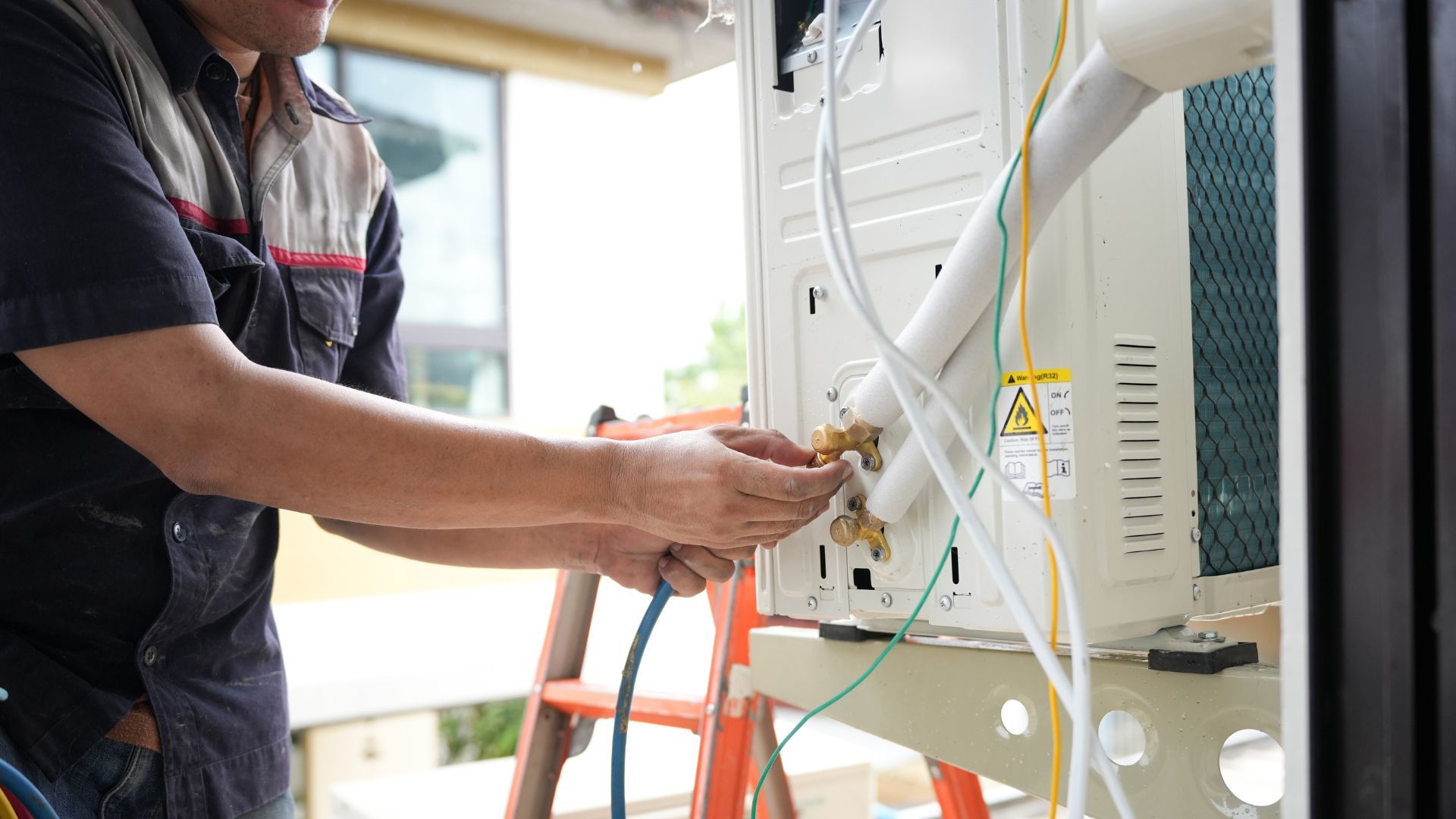
Rhode Island homeowners can access a combination of state utility incentives, program-specific rebates, and potential federal tax credits that together reduce the net cost of energy-efficient HVAC upgrades.
Key program types include utility rebates for qualified equipment, Clean Heat program incentives for heat pumps and electrification measures, and federal tax credits under recent legislation for qualifying high-efficiency systems and electrification projects. Eligibility typically depends on equipment performance metrics (e.g., cold-climate heat pump certification, minimum SEER/HSPF or AFUE thresholds), installation by a certified contractor, and documentation such as receipts and equipment model numbers. Knowing program categories and required documentation simplifies the application process and improves the chance of receiving full incentives.
Below is a step-by-step eligibility checklist that clarifies typical requirements and gives top-line incentive ranges so homeowners can identify potentially applicable rebates and prepare to apply.
• Confirm home eligibility and primary fuel type as required by the program; some incentives prioritize switching from oil or electric resistance to heat pumps.
• Verify equipment performance requirements such as minimum SEER/HSPF or designated cold-climate certification and that the specific model number meets those criteria.
• Ensure installation is performed by a participating or certified installer if required and obtain an itemized invoice showing equipment, labor, and serial numbers.
• Collect supporting documentation (proof of residency, utility account number, contractor certification) and submit within program timelines.
These steps outline the recurring documentation and performance checks used across programs; the next paragraph gives a compact table of representative programs and incentive ranges so you can identify where to start.
Before presenting the program table, note that professional assistance often simplifies rebate applications; many certified installers can pre-check eligibility and submit paperwork on your behalf. If you need local referrals or assistance, consider contacting certified HVAC installers or local home-service businesses for referrals; for example, some homeowners consult local companies such as Legacy Heating & Cooling for referrals to certified contractors and program guidance. Now, the table summarizes common programs, eligible equipment, and typical incentive ranges to help you prioritize next steps.
| Program / Source | Eligible Equipment | Typical Incentive Range / Notes |
|---|---|---|
| Rhode Island Energy rebates | Cold-climate heat pumps, ductless systems, and qualifying HVAC upgrades | $500–$3,000+ depending on system and project scope |
| Clean Heat RI programs | Heat pump installations, heat pump water heaters, and electrification measures | Tiered incentives based on income and equipment performance |
| Federal tax credits (IRA provisions) | Qualified heat pumps, heat pump water heaters, and partial electrification | Tax credit percentages apply up to specified caps; requires documentation |
This table presents ranges and program categories rather than exact guarantees; program terms change, and eligibility may depend on income or installer participation. The next section explains where homeowners typically find certified equipment and which system types perform best in Rhode Island’s climate.
Rhode Island Energy rebates and Clean Heat RI programs: eligibility and steps
Eligibility for Rhode Island Energy and Clean Heat RI incentives usually requires meeting equipment performance criteria, using approved installers, and submitting invoices and model documentation within the program’s timelines. Incentive amounts vary by technology and may be higher for oil-to-heat-pump conversions or for low- and moderate-income households under tiered Clean Heat offerings. Typical steps are: obtain contractor estimates that specify qualifying equipment and model numbers, confirm installer participation in the incentive program, complete installation and obtain final invoices and serial numbers, and submit the rebate application with required documentation. Because program rules evolve, homeowners should gather all paperwork promptly and maintain clear records that show compliance with performance and installation conditions.
Applying for incentives successfully often hinges on choosing a certified installer who understands program requirements; the next section examines the system types that installers and programs commonly recommend for Rhode Island homes.
Which energy-efficient HVAC systems are common in Rhode Island?
Several energy-efficient HVAC system families are commonly installed in Rhode Island: air-source heat pumps (including cold-climate models), ductless mini-splits for targeted zones or retrofits, high-efficiency furnaces and boilers for combustion-based systems, and smart thermostats and controls that optimize system operation. These technologies represent hyponyms of the broader category "HVAC systems" and function via distinct meronyms such as compressors, condensers, air handlers, and thermostats that together determine overall performance. Choosing among these depends on housing type, existing ductwork, fuel availability, and homeowner priorities like decarbonization or maximum cost savings. Understanding the efficiency metrics—SEER, HSPF, and AFUE—and how they translate into performance is critical when comparing quotes and qualifying for rebates.
The table below compares system types by best use, expected efficiency range, and a rough estimated installed cost range so homeowners can narrow options before soliciting bids.
| System Type | Best For | Typical Efficiency Range | Estimated Installed Cost Range |
|---|---|---|---|
| Air-source heat pump (cold-climate) | Whole-home electrification in moderate-to-large homes | SEER 16–22; HSPF 8–12 | $8,000–$20,000+ |
| Ductless mini-split heat pump | Retrofits, additions, zone conditioning | SEER 15–30; HSPF 7–11 | $3,000–$12,000 per system |
| High-efficiency furnace/boiler | Homes where electrification is impractical | AFUE 90–98% | $4,000–$10,000+ |
These ranges reflect typical installations and help homeowners prioritize systems that align with their budget and program eligibility; the following subsections examine heat pumps and combustion systems in greater detail to explain performance expectations in Rhode Island’s climate.
Air-source heat pumps and ductless mini-splits for Rhode Island climates
Cold-climate air-source heat pumps and ductless mini-splits perform well across much of Rhode Island when using models engineered for lower outdoor temperatures and properly sized equipment. The mechanism that enables year-round efficiency is the refrigerant cycle and variable-speed compressors that modulate output to match heating or cooling needs, preserving efficiency even as outdoor temperatures fluctuate. For whole-home conversion, cold-climate heat pumps can replace oil or electric resistance systems and yield significant annual savings, while ductless mini-splits are ideal for room additions, historic homes without ducts, or supplemental zone heating. Proper installation, refrigerant charge verification, and attention to outdoor unit placement are essential for reliable seasonal performance and to maximize eligible incentives.
Understanding when to choose a heat pump versus a ductless option leads to considerations where high-efficiency furnaces still make sense, which the next subsection addresses.
High-efficiency furnaces, boilers, and smart thermostats to consider in RI
High-efficiency combustion systems—furnaces and boilers with AFUE ratings of 90% or greater—remain appropriate for homes where electrification is not feasible due to infrastructure, occupant preference, or retrofit constraints, and they reduce fuel consumption relative to older equipment. Hybrid systems that pair a heat pump with a high-efficiency furnace allow flexibility: the heat pump handles mild-to-moderate heating while the furnace provides backup in extreme cold, optimizing seasonal performance.
Smart thermostats and zoning controls improve overall system efficiency by learning occupancy patterns, enabling setback schedules, and reducing run times, which increases the effective savings from either heat pumps or combustion systems. When evaluating equipment, prioritize models that meet program performance thresholds and can be integrated with smart controls to enhance both comfort and efficiency.
Next, homeowners need practical guidance on selecting contractors and what installation and maintenance will involve; the following section provides a step-by-step expectation guide.
What should homeowners expect during installation and maintenance in Rhode Island?
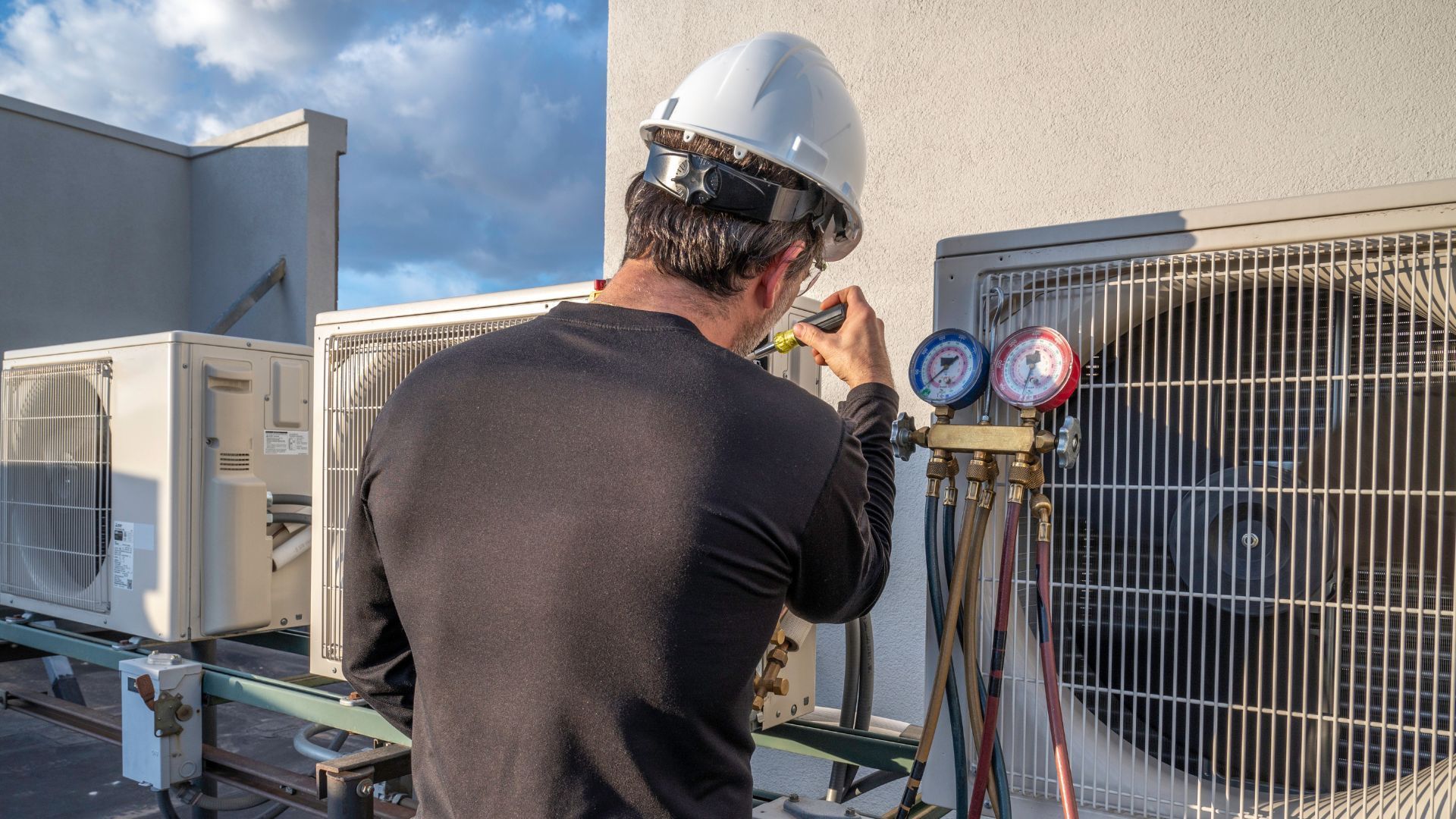
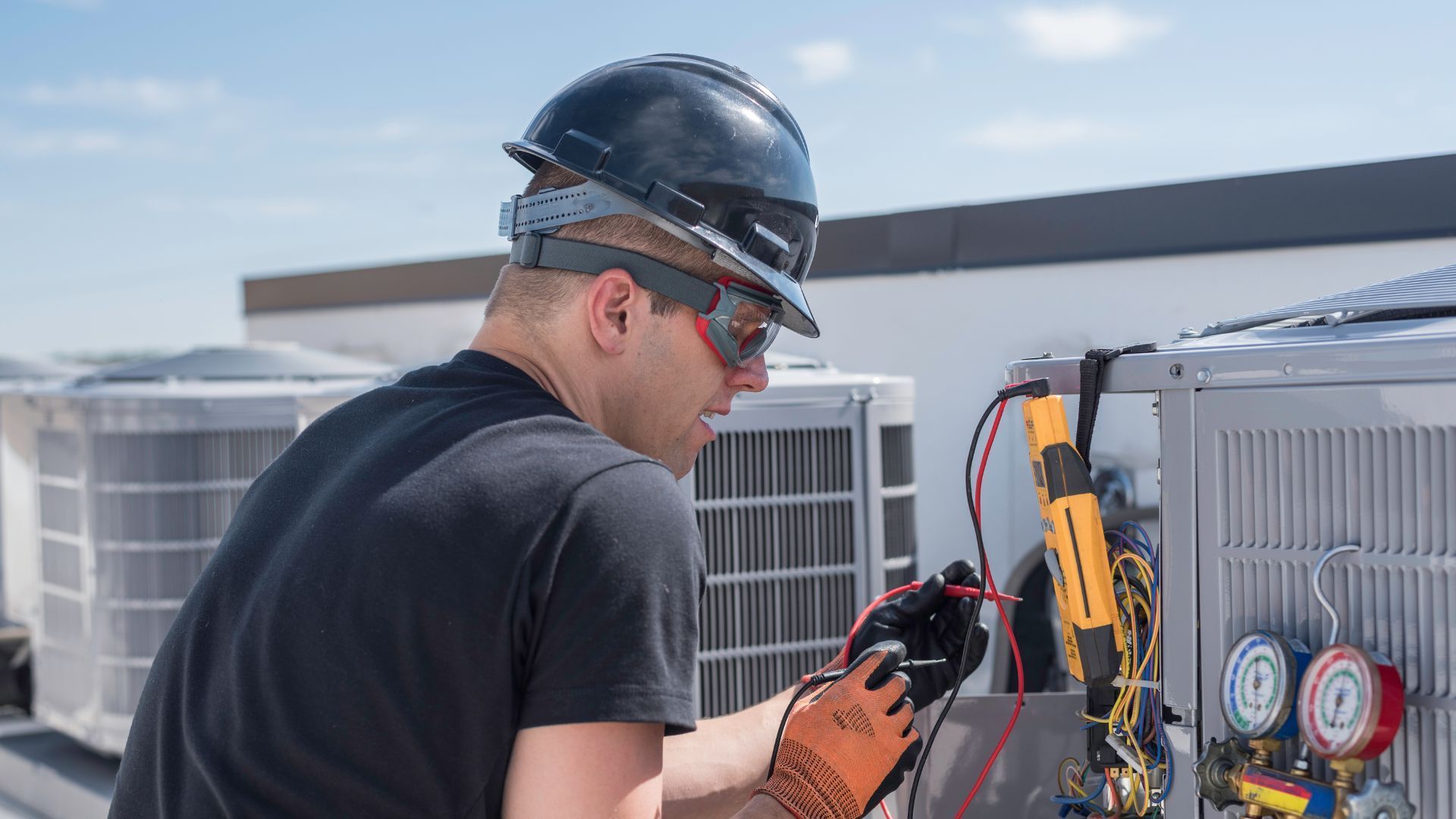
Homeowners should expect a structured process that begins with a professional load calculation (Manual J) and equipment selection based on the home’s envelope, existing ductwork, and occupant needs. The installation process typically includes site assessment, final equipment selection and sizing, necessary ductwork or line set work, electrical upgrades if required, and testing and commissioning to verify refrigerant charge, airflow, and control configuration. Proper commissioning ensures the system meets performance specifications and is often required for rebate eligibility; securing permits and scheduling inspections may be part of the timeline, depending on local code. Communicating clearly with the installer about performance expectations, warranty terms, and maintenance responsibilities reduces surprises and keeps the project on track.
A concise vetting checklist helps homeowners identify qualified contractors and ensure a smooth installation; the checklist below is designed to be practical during contractor interviews and proposal comparisons.
• Ask for load calculation documentation: Request a Manual J/S report showing calculated heating and cooling loads and proposed equipment sizing.
• Verify installer credentials: Confirm licensing, manufacturer certifications, or program participation that indicate experience with the chosen technology.
• Require a detailed written proposal: Ensure the quote lists equipment models, SEER/HSPF/AFUE ratings, labor, permits, and expected timeline.
• Clarify commissioning and warranty: Confirm that the installer will perform commissioning tests and provide a written warranty and maintenance guidance.
This checklist streamlines decision-making and prepares homeowners for common project milestones; the next subsection outlines the typical installation timeline and common disruptions so you can plan accordingly.
Sizing, contractor selection, and installation steps in RI
Accurate sizing through Manual J and Manual S is crucial because oversized systems cycle frequently and undersized systems fail to meet comfort targets, both reducing real-world efficiency. When selecting contractors, prioritize those who provide documented load calculations, clear equipment specifications, references for similar local installations, and evidence of manufacturer or program certification. Typical installation steps include site assessment, equipment procurement, any necessary ductwork or electrical upgrades, unit installation and refrigerant charging, and commissioning tests that verify airflow, temperature split, and system controls.
Homeowners should expect a few days to a couple of weeks for a typical replacement, depending on scope and permitting, and clear communication about staging and disruption minimizes inconvenience.
A carefully executed installation sets up the system for long-term efficiency; the final subsection covers routine maintenance practices that preserve performance and rebate compliance.
Maintenance tips to maximize efficiency and savings in Rhode Island
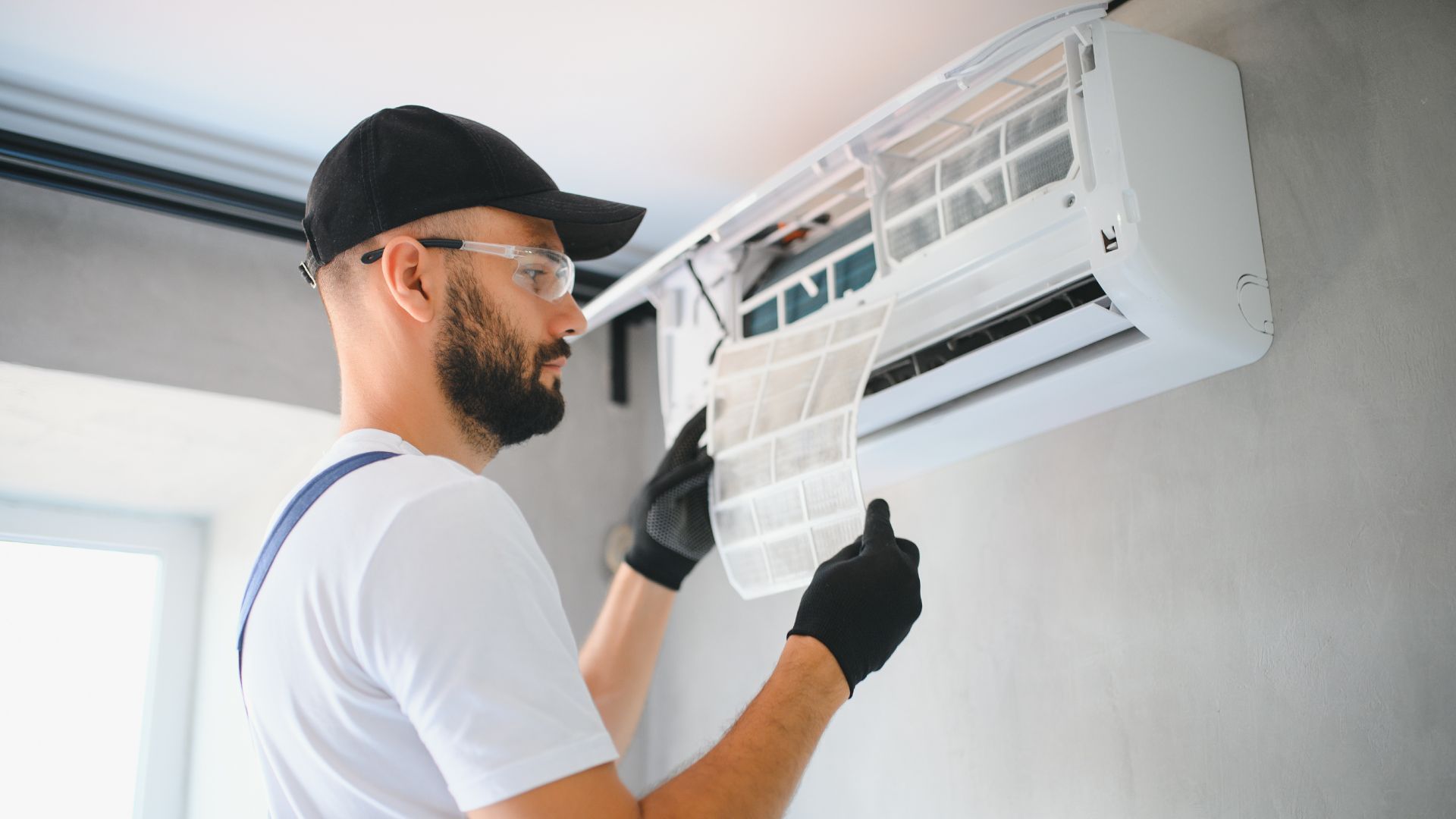
• Seasonal filter and ventilation checks: Replace filters and verify ventilation before heavy heating and cooling seasons.
• Annual professional inspection: Schedule fall and spring service to confirm refrigerant charge, burner adjustment, and control operation.
• Document services and repairs: Keep invoices and service reports for warranty and incentive compliance.
Maintaining a proactive maintenance schedule is the last practical step before taking action; use the guidance above to prepare for assessments and installer consultations that lead to effective, energy-efficient HVAC upgrades.